Contents:
- How Do Florists Make Flowers Last Twice as Long? (Direct Answer)
- The Cold Chain: Every Minute Counts
- Why Home Conditions Can’t Compete
- Cutting Stems the Professional Way
- Flower Food: More Than Sugar and Aspirin
- Florist-Grade vs. Home Remedies
- The Hidden Art of Flower Conditioning
- Bouquet Design: Airflow, Water, and Flower Pairing
- Smart Arrangements
- Freshness: Sourcing Matters
- Where US Florists Get Flowers
- Water Maintenance: The Daily Ritual
- Pro Tips You Can Steal for Home Flowers
- Pull-Quote
- FAQ
- How long do florist flowers last compared to grocery store flowers?
- What is the best way to keep roses fresh for longer?
- Does putting flowers in the fridge really help?
- Do florists add bleach or vodka to flower water?
- What’s the most effective homemade flower preservative?
How Florists Make Flowers Last Twice as Long
A fresh bouquet can brighten a room and lift a mood–but bring those same flowers home from the store, and they often wilt far too soon. Meanwhile, florists seem to have a magic touch: their arrangements can bloom for a week, ten days, sometimes even two weeks. The trick isn’t magic. It’s a mix of science, careful technique, and professional secrets.
How Do Florists Make Flowers Last Twice as Long? (Direct Answer)
Florists double the lifespan of cut flowers by using a combination of cold chain management, precise stem cutting, professional-grade flower food, and meticulous water maintenance. They chill flowers to slow decay, recut stems at an angle underwater to maximize water uptake, remove excess foliage to prevent rot, and use specialized solutions (not just sugar and aspirin) that inhibit bacteria and nourish blooms. Unlike consumers, florists also source fresher flowers directly from growers or wholesalers, often within 24-48 hours of cutting.
The Cold Chain: Every Minute Counts
On the way from field to vase, temperature is everything. According to William Tran, head of operations at PetalPro Florals, “A flower loses nearly 10% of its vase life for every hour spent at room temperature after cutting.” That’s why large US wholesalers like Mayesh or FiftyFlowers keep blooms in coolers set at 34-38°F right from the farm.
Why Home Conditions Can’t Compete
Most Americans keep their homes at 68-72°F, which accelerates flower aging. Florists often store inventory in walk-in coolers, only moving bouquets to room temp before delivery. Compare that to grocery bouquets, which may have sat at ambient temps for hours (or days).
Table: Flower Longevity Under Different Storage Conditions
| Storage Temperature | Expected Vase Life (Roses) |
|---|---|
| 35°F (Florist Cooler) | 10-16 days |
| 70°F (Home) | 5-7 days |
| 80°F (Car Interior) | 2-4 days |
Cutting Stems the Professional Way
One of the most overlooked steps: how you cut the stems. Florists use clean, sharp floral knives or shears–never dull kitchen scissors. They cut stems underwater, at a 45-degree angle, which prevents air bubbles from blocking water uptake.
“Cutting stems dry lets air rush in, basically choking the flower before it drinks,” explains Sarah Jiménez, AIFD-certified florist in Dallas.
Florists also clean off any leaves that will sit below the waterline. These rot quickly and promote bacteria, which can halve vase life.
Flower Food: More Than Sugar and Aspirin
The little packets tucked into bouquets aren’t just a sales gimmick. Professional-grade flower food contains:
- Sucrose (for energy)
- Acidifiers (to lower pH and inhibit bacteria)
- Biocides (to keep stems clear)
Home tricks like Sprite, vinegar, or old wives’ tales simply can’t compete.
Florist-Grade vs. Home Remedies
| Additive | Vase Life Extension | Notes |
|---|---|---|
| Chrysal Flower Food | 60-100% | Industry gold standard |
| Sugar & Bleach | 20-30% | Better than water, not ideal |
| Aspirin | 10-20% | Some effect, mostly myth |
| No Additive | 0% | Baseline (shortest lifespan) |
The Hidden Art of Flower Conditioning
Florists spend up to 30 minutes prepping each batch of flowers. This “conditioning” process involves:
- Recutting every stem.
- Stripping all unwanted leaves and thorns.
- Soaking flowers in cool water mixed with preservative.
- Keeping blooms in the dark for several hours (to allow for full hydration).
Hydration is a game-changer. According to the Society of American Florists (SAF), “flowers fully hydrated post-conditioning last 2-3 days longer, on average.”
Bouquet Design: Airflow, Water, and Flower Pairing
Professional arrangements aren’t just pretty–they’re engineered for longevity.
Smart Arrangements
- Spacing: Tightly packed bouquets look lush, but trap moisture and heat, causing mold.
- Vase Choice: Clear glass lets florists monitor water clarity–cloudy water means bacteria.
- Compatible Species: Some flowers, like daffodils, release sap that shortens other flowers’ lives. Florists use barriers or soak sap-producers separately before arranging.
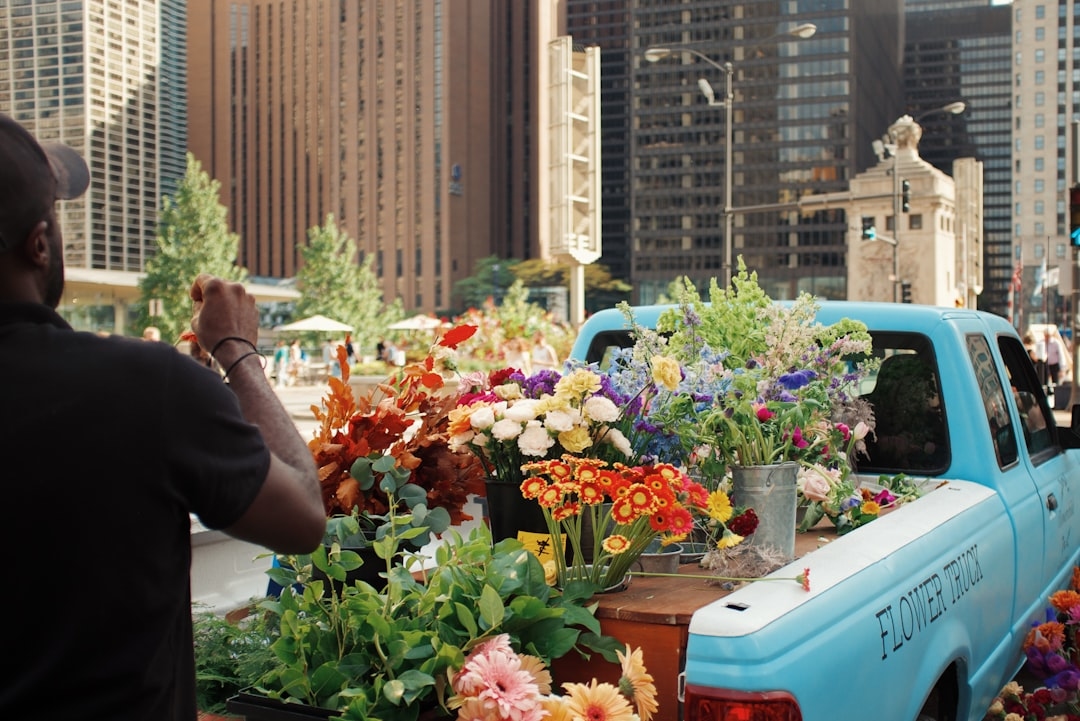
Freshness: Sourcing Matters
Florists buy directly from US wholesalers or regional farms, often within 24-48 hours post-harvest. Compare that to supermarket bouquets, which can be a week old before they hit the sales floor.
“A rose that’s 2 days off the plant will outlast a week-old rose by five days, easy,” says Lisa Kim, co-owner of Bouquets & Branches (Chicago).
Where US Florists Get Flowers
- Domestic growers: California accounts for 75% of US flower production.
- Imported blooms: Ecuadorian roses, Dutch tulips, Colombian carnations.
- Online wholesalers: Sites like Jet Fresh and Mayesh ship overnight in temperature-controlled conditions.
Water Maintenance: The Daily Ritual
Florists don’t just arrange and forget. They:
- Change water every 24-48 hours, not just top it off.
- Scrub vases with mild bleach solution between uses.
- Recut stems slightly with each water change for maximum absorption.
A 2026 Rutgers University study found that daily stem trims and water swaps can extend vase life by as much as 70% over leaving arrangements untouched.
Pro Tips You Can Steal for Home Flowers
You might not have a walk-in cooler, but you can borrow these techniques:
- Chill overnight: Store your arrangement in the fridge (move food first) before a big event.
- Use professional flower food: Buy Chrysal or Floralife packets online (Amazon, under $10 for 100).
- Recut stems every few days: A diagonal cut under running water works.
- Remove dying stems: Rotting blooms produce ethylene gas, which kills neighboring flowers.
- Clean vases well: A drop of bleach when washing can make a difference.
Pull-Quote
“The difference between a seven-day and a fourteen-day bouquet is mostly about care, not the flower itself.” – Sarah Jiménez, AIFD
FAQ
How long do florist flowers last compared to grocery store flowers?
Florist flowers typically last 10-14 days with proper care, while supermarket bouquets often last 4-7 days. This is because florists use fresher flowers, better storage, and professional conditioning techniques.
What is the best way to keep roses fresh for longer?
Keep roses in a cool spot, use fresh water with flower food, recut stems diagonally every 2-3 days, and remove any wilting blooms or leaves below the waterline. Refrigerating overnight extends life further.
Does putting flowers in the fridge really help?
Yes, chilling flowers overnight slows decay and extends vase life, often by 1-3 days. Just keep flowers away from fruits and vegetables, which emit ethylene gas that can age blooms prematurely.
Do florists add bleach or vodka to flower water?
Florists sometimes use a tiny amount of bleach (1/4 teaspoon per quart) to kill bacteria. Vodka is rarely used; flower food is much more effective for longevity.
What’s the most effective homemade flower preservative?
A mixture of 2 tablespoons lemon juice, 1 tablespoon sugar, and 1/2 teaspoon bleach per quart of water can help, but commercial flower food like Chrysal or Floralife is more effective and affordable.
Want your next bouquet to last two weeks instead of five days? Ask your florist about their care process, buy some flower food, and commit to recutting and refreshing. Or, experiment with a dedicated flower fridge (small beverage coolers start at $120 on US retailers like Home Depot)–your blooms and your mood will thank you.