Contents:
- A Brief History of Saying Thank You With Flowers
- The Top Flowers That Say Thank You
- Pink Roses
- Yellow Roses
- Hydrangeas
- Alstroemeria (Peruvian Lily)
- Sweet Peas
- Sunflowers
- Seasonal Calendar: When to Send Which Thank-You Flower
- What an Expert Says About Gratitude Flowers
- When Gratitude Flowers Work — and When They Don’t
- When They Work Well
- When to Think Twice
- Building the Perfect Thank-You Arrangement
- Frequently Asked Questions
- What color flowers say thank you best?
- Is it appropriate to send thank-you flowers to a man?
- How many flowers should a thank-you bouquet have?
- Can I send thank-you flowers after a job interview?
- How far in advance should I order a thank-you bouquet for delivery?
- The Quiet Power of Gratitude in Bloom
In the summer of 1867, a young French diplomat stationed in Istanbul sent a small bundle of pink hydrangeas home to his mother in Lyon — no note, no explanation. The flowers did all the talking. In the Victorian-era language of flowers known as floriography, hydrangeas carried a quiet but unmistakable message: heartfelt gratitude. His mother understood instantly. More than 150 years later, we’re still sending blooms to say the very same thing, though thankfully with a little more variety to choose from.
So, what flowers actually mean thank you? The short answer: pink roses, yellow roses, hydrangeas, alstroemeria, and sweet peas are the most universally recognized flowers for expressing gratitude. But the longer answer — the one worth reading — is much more interesting. The meaning shifts depending on color, combination, quantity, and season. Let’s walk through all of it.
A Brief History of Saying Thank You With Flowers
Floriography — the coded language of flowers — reached its height of popularity in 19th-century Europe and America. It gave people, especially women constrained by strict social codes, a way to express emotions that were otherwise unspeakable in polite society. A flower handed to someone in a certain way, with petals facing a specific direction, could signal anything from deep affection to a polite but firm rejection.
Gratitude was one of the most commonly communicated sentiments. Etiquette guides of the era spelled out which blooms said “thank you” with dignity and which ones risked saying too much — or too little. That cultural legacy lives on in modern florist traditions. When you walk into any shop and ask for a “thank-you bouquet,” there’s a good chance the florist reaches for pink, soft yellow, or lavender tones almost automatically. That instinct is centuries old.
The Top Flowers That Say Thank You
Pink Roses
Pink roses are the gold standard for gratitude. Where red roses shout romance and white roses whisper sympathy, pink roses occupy a warm middle ground: admiration, appreciation, joy. A bouquet of medium or pale-pink roses tells someone “I see what you did, and I’m genuinely moved by it.” They work in virtually every context — from thanking a colleague who covered for you during a tough week to expressing deep appreciation to a parent, mentor, or close friend.
Yellow Roses
Yellow roses have shaken off their old-fashioned association with jealousy and emerged as one of the most cheerful, positive flowers in modern arrangements. Today, they signal friendship, warmth, and sunny appreciation. They’re especially effective as a thank-you to someone who doesn’t have a romantic relationship with you — a neighbor who watched your house, a teacher who changed your kid’s life, or a coworker who stayed late to help you meet a deadline.
Hydrangeas
The very flower from that 1867 story. Hydrangeas communicate heartfelt gratitude with a generosity that single-stem flowers can’t match — their voluminous, cloud-like clusters feel inherently abundant and sincere. Blue and lavender hydrangeas carry particularly strong gratitude associations, though soft pink varieties work just as beautifully. They are a florist’s favorite for thank-you arrangements because one or two stems can anchor an entire bouquet.
Alstroemeria (Peruvian Lily)
Often overlooked in favor of showier flowers, alstroemeria is one of the most symbolically loaded blooms available. In the language of flowers, it traditionally represents devotion, mutual support, and — crucially — gratitude for long-lasting friendship. If you’re thanking someone who has been in your corner for years, alstroemeria says it better than almost anything else. It also lasts exceptionally well in a vase, making it a practical choice for flower delivery arrangements.
Sweet Peas
Sweet peas carry a vintage charm and a very specific meaning: “thank you for a lovely time.” They’re the classic thank-you flower after a dinner party, a weekend stay at someone’s home, or any hosted event where you want to express appreciation for someone’s hospitality. Their delicate, ruffled petals and soft fragrance reinforce the warmth of the gesture. They peak in late spring — typically April through June — so timing your gift around their natural season adds an extra layer of thoughtfulness.
Sunflowers
Big, bold, and impossible to misread: sunflowers radiate positivity and adoration. As thank-you flowers, they work best when the gratitude is equally big — when you’re truly in awe of what someone has done for you, when a simple “thanks” would feel inadequate. They’re also wildly popular for thank-you arrangements in warm-weather months, from June through September, when their vibrant energy feels perfectly in season.
Seasonal Calendar: When to Send Which Thank-You Flower
Timing your thank-you bouquet to what’s naturally in bloom isn’t just romantic — it often means fresher flowers, better prices, and a more sustainable choice. Here’s a quick seasonal guide:
- Winter (December–February): Pink roses, tulips, amaryllis. Roses are available year-round and are especially popular during the holiday season and Valentine’s window.
- Spring (March–May): Sweet peas, peonies, lilacs, ranunculus. This is peak season for peonies — a lesser-known but increasingly popular thank-you flower that symbolizes goodwill and gratitude.
- Summer (June–August): Sunflowers, hydrangeas, alstroemeria, zinnias. High-energy blooms that match the season’s warmth perfectly.
- Fall (September–November): Yellow roses, dahlias, chrysanthemums. Rich, warm tones that feel genuine and grounded — ideal for heartfelt thank-yous.
What an Expert Says About Gratitude Flowers
“The most effective thank-you bouquets are the ones that feel considered rather than generic,” says Dr. Monica Farrell, PhD, a floral psychologist and sensory design consultant based in Chicago who advises hospitality brands on how flowers affect emotional atmosphere. “When someone receives a bouquet and can sense that the giver thought about them — their personality, the season, the occasion — the emotional impact multiplies. Gratitude flowers aren’t just decoration. They’re a form of communication that the recipient’s brain processes on a very deep level.”
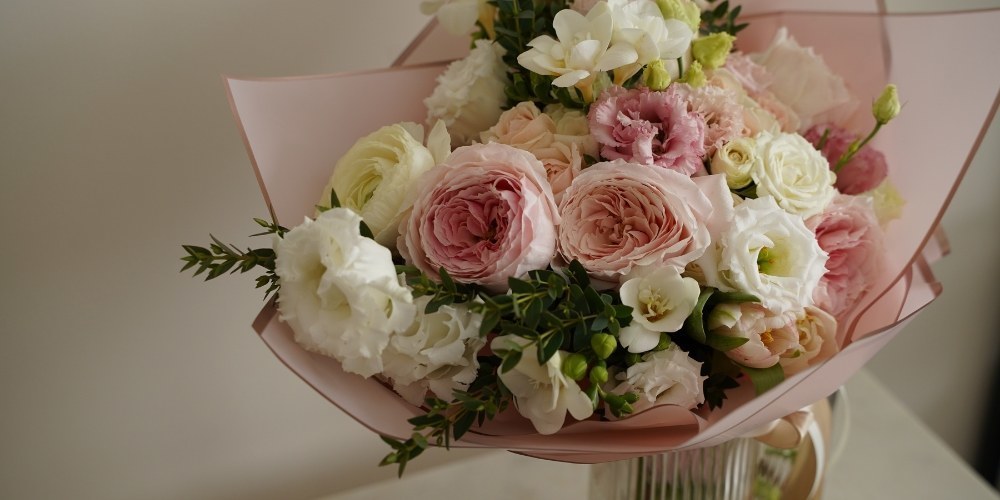
Dr. Farrell also notes that color psychology plays a significant role. “Warm pinks and soft yellows activate feelings of safety and warmth in most people. That’s why they’ve been the go-to palette for gratitude arrangements across cultures for decades. It’s not accidental — it’s neurologically grounded.”
When Gratitude Flowers Work — and When They Don’t
There are situations where flowers as a thank-you land beautifully and others where they miss the mark. Let’s be honest about both.
When They Work Well
- After a meaningful favor — someone helped you move, watched your kids, drove you to a medical appointment.
- Following a hosted event — a dinner party, a baby shower, a birthday gathering at someone’s home.
- To thank a healthcare provider, teacher, coach, or mentor who made a significant difference.
- As a professional thank-you in creative, lifestyle, or service industries where flowers feel appropriate and personal.
- Any time a handwritten note alone feels insufficient for the depth of your gratitude.
When to Think Twice
- Very formal corporate environments where gifts may be governed by company policy or could be misread.
- Situations where the recipient has known allergies — always worth a quick check before ordering.
- When the recipient has expressed a dislike for flowers or strongly prefers other gestures.
- Occasions where the professional relationship is very new and the gesture might feel overly intimate too soon.
Building the Perfect Thank-You Arrangement
A strong thank-you bouquet usually follows a simple formula: one hero flower that carries the primary message, one or two supporting blooms that add texture and depth, and greenery that ties it all together. For example:
- Warm and cheerful: Yellow roses + sunflowers + eucalyptus
- Soft and sincere: Pink roses + hydrangeas + dusty miller
- Delicate and personal: Sweet peas + alstroemeria + fern fronds
- Bold and memorable: Sunflowers + dahlias + Italian ruscus
If you’re in South Florida and want these arrangements put together by professionals who truly understand the language of flowers, the florists in Miami Beach Florida at My Peonika can build a custom thank-you bouquet from scratch based on exactly who you’re thanking and why. There’s a real difference between an arrangement someone assembled from a template and one someone made with your story in mind.
You can also explore a curated selection of ready-to-send options at https://mypeonika.com/collections/thank-you-flowers — arrangements specifically designed to communicate appreciation beautifully.
Frequently Asked Questions
What color flowers say thank you best?
Pink and soft yellow are the most universally understood colors for gratitude. Pink signals warmth and admiration; yellow signals joy and friendly appreciation. Lavender — particularly in hydrangeas — also carries strong gratitude associations in floral tradition.
Is it appropriate to send thank-you flowers to a man?
Absolutely. The idea that flowers are gendered is outdated. Sunflowers, yellow roses, alstroemeria, and tropical arrangements tend to feel bold and unfussy — great options when you want to thank a man without the arrangement feeling overly delicate. The key is knowing the person’s taste, not their gender.
How many flowers should a thank-you bouquet have?
There’s no strict rule, but bouquets of 6 to 12 stems feel appropriately generous without being overwhelming. Odd numbers — 7, 9, 11 — are considered more natural and visually pleasing by many designers. For a very significant thank-you, a full dozen roses carries real weight.
Can I send thank-you flowers after a job interview?
It depends on the industry. In creative fields, hospitality, events, or design, a small flower arrangement after an interview can make a genuine impression. In highly formal corporate or legal environments, a handwritten note or email is usually the safer and more professional choice.
How far in advance should I order a thank-you bouquet for delivery?
For standard flower delivery, 24 to 48 hours is usually enough. If you need same-day delivery or a custom arrangement with specific blooms, placing the order first thing in the morning — before 11 a.m. — gives the florist the best chance of fulfilling it beautifully the same day.
The Quiet Power of Gratitude in Bloom
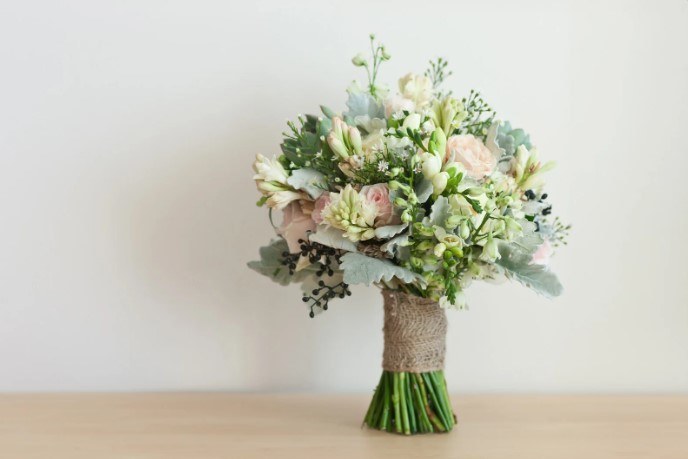
Flowers have been carrying the weight of human emotion for centuries because they do something words alone often can’t: they show effort, they bring beauty into a space, and they signal that someone was thinking about you specifically. A thank-you flower isn’t just a transaction — it’s a small act of care made tangible.
Whether you lean toward the classic warmth of pink roses, the cheerful boldness of sunflowers, or the vintage charm of sweet peas, the most important thing is that the gesture feels like you — considered, genuine, and timed well. Match the flower to the season, the person to the bloom, and let the centuries-old language of floriography do the rest. Some things don’t need to be modernized. They just need to be remembered.