Contents:
- What and Where Is Chicago’s Flower Wholesale District? (Featured Snippet Style)
- The History and Character of Chicago’s Flower Wholesale Hub
- From Fulton Market Grit to Florist’s Paradise
- A Global Story in Blooms
- Who Shops the Wholesale Flower District?
- Not Just for Professional Florists
- Popular Wholesalers in Chicago’s Flower District
- Tips for First-Time Buyers
- What Flowers and Supplies Can You Buy at Chicago Flower Wholesalers?
- Year-Round and Seasonal Favorites
- Beyond the Blooms
- How to Shop: Insider Strategies for the Wholesale District
- Timing Is Everything
- Documentation and Policies
- Pro Tips
- How Does Chicago Compare to Other US Flower Wholesale Markets?
- Planning a Wedding or Big Event? Wholesale District Hacks
- Step-by-Step for DIY and Planners
- When to Skip DIY
- Hidden Gems: Supply Shops, Plant Sources, and More
- FAQ: Chicago Flower Wholesale District
- How early do I need to get to the Chicago flower wholesale district for the best selection?
- Can anyone buy flowers at Chicago’s wholesale flower district, or do I need a business license?
- What payment methods are accepted at Chicago flower wholesalers in 2026?
- How much can I expect to save by shopping at the flower wholesale district versus a retail florist?
- Is parking available near the Chicago flower wholesale district?
- Ready to Shop? Bring Curiosity (and a Jacket)
Chicago Flower Wholesale District Guide
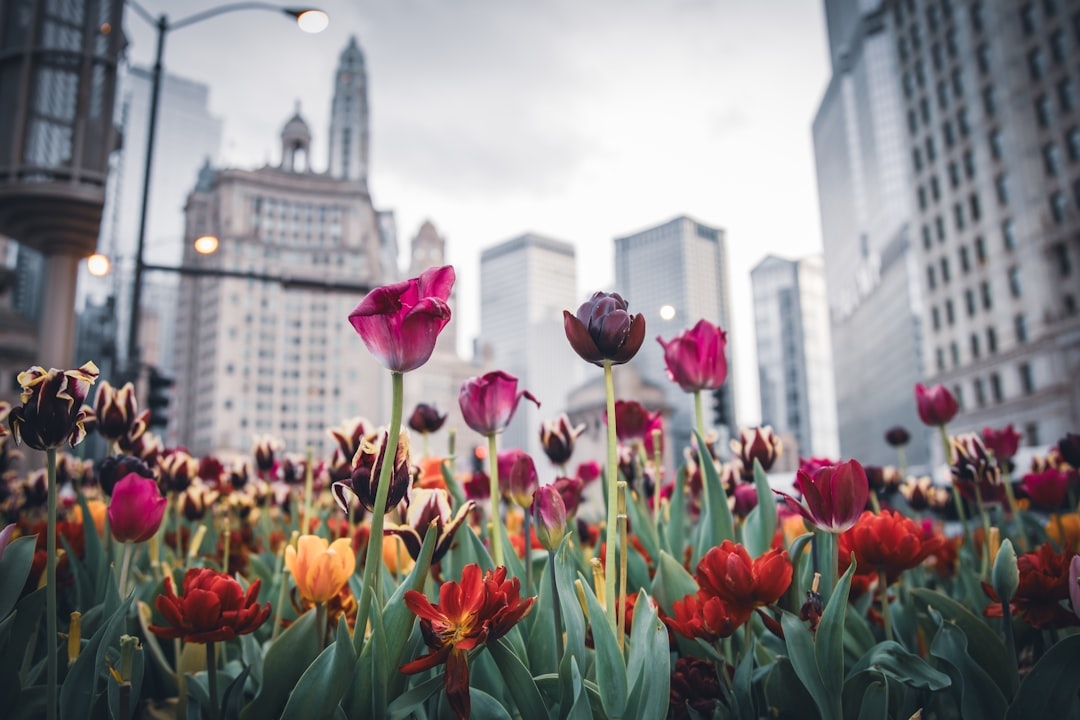
Picture a six-block stretch where the air hums with the combined perfume of peonies, ranunculus, and eucalyptus. Delivery vans double-park at dawn, unloading buckets of blooms destined for grand hotel lobbies, indie boutiques, and backyard weddings from Evanston to Beverly. Welcome to the Chicago flower wholesale district: the city’s not-so-secret garden for floral hustlers, event planners, and anyone who measures happiness by the stem.
The Chicago flower district isn’t just about finding cheaper roses–though you’ll find those, too. It’s a hub where early-morning deals, decades-old family businesses, and surprising global trade meet. Curious about scoring wedding centerpieces at cost, or simply want to wander among walls of Dutch tulips without driving to O’Hare? Here’s your definitive, no-nonsense guide.
What and Where Is Chicago’s Flower Wholesale District? (Featured Snippet Style)
Chicago’s primary flower wholesale district sits along and just west of West Randolph Street, focused between Ogden Avenue and Racine Avenue in the West Loop and Fulton Market neighborhoods (zip codes 60607 and 60661). This district features more than a dozen flower wholesalers, direct importers, and supply shops clustered within a walkable area. Most open weekdays from 4:00-7:00 a.m. for trade buyers, with several also serving the public later in the morning. Chicago’s main floral sources sell fresh-cut flowers, foliage, indoor plants, floral foam, vases, ribbons, and event supplies, often at prices 30-60% lower than retail florists.
The History and Character of Chicago’s Flower Wholesale Hub
From Fulton Market Grit to Florist’s Paradise
In the 1950s, Chicago’s West Loop thrummed with cold storage warehouses, butchers, and produce merchants. By the early 1980s, flower importers and wholesalers–pushed out of rising rents downtown–migrated west, finding big, walkable spaces perfect for cold rooms and bucket-lined aisles.
Names like Kennicott Brothers (est. 1881!) and Ashland Addison have deep roots here, weathering everything from blizzards to the 2020s event boom. In 2026, the district is an eclectic blend: historic brick loading docks, modern flower studios, and always, the clatter of hand trucks loaded with gladioli at dawn. According to Jessica Freilich, AIFD-certified designer and owner of Blossom Theory (Chicago), “This district is a working hub–you see everyone from veteran florists to DIY brides and event planners, all hunting for the freshest selection.”
A Global Story in Blooms
While you’ll spot local Illinois-grown sunflowers in summer, Chicago wholesalers import nearly 65% of their flowers via Miami, according to 2024 data from the American Floral Endowment. Dutch tulips, Ecuadorian roses, California ranunculus, Israeli ruscus–if it’s in season somewhere, odds are it’s packed in a cold room here.
Who Shops the Wholesale Flower District?
Not Just for Professional Florists
The early morning crowd includes:
- Retail florists (suburban and citywide)
- Event designers and wedding planners
- Boutique grocers and cafe owners
- DIYers prepping for weddings, showers, or fundraisers
- Flower enthusiasts (especially on Saturdays, when public access is easiest)
Some wholesalers have minimum purchase requirements (typically $50-$200), but several now cater to individuals, especially as the DIY event market has exploded post-pandemic. “We see a lot more brides and creative folks coming in with Pinterest boards and color palettes,” says David Lin, lead manager at The Floral Exchange Chicago.
Popular Wholesalers in Chicago’s Flower District
Here’s a breakdown of top spots, their specialties, and public access policies:
| Wholesaler/Shop | Specialty | Public Access | Notable Details |
|---|---|---|---|
| Kennicott Brothers | Wide selection, imports | Yes (after 7am) | Oldest in Chicago, huge coolers |
| Ashland Addison Florist | Modern, event-focused | Yes | Weekly open houses, wedding pros |
| DWF Wholesale Florists | Bulk, florist supplies | Trade only | Massive variety, best prices |
| The Floral Exchange | Trendy, unique imports | Yes | Sells by the bunch or bucket |
| FiftyFlowers (online + pickup) | Online orders & local pickup | Yes (pre-order) | Best for planning, fast turnover |
| Midwest Blooms | Plants, green materials | Yes | Large plant selection, seasonal deals |
“If you pick up fresh-cut hydrangeas at 7 a.m., they likely landed in Miami just 36 hours prior,” notes Melissa Chang, floral buyer, Midwest Blooms.
Tips for First-Time Buyers
- Bring a jacket (it’s cold inside the coolers, even in July).
- Expect to pay by the bunch, not by the stem.
- For best selection, arrive as close to opening as possible.
- Some shops are cash/debit only–call ahead if you need to plan payment.
What Flowers and Supplies Can You Buy at Chicago Flower Wholesalers?
Year-Round and Seasonal Favorites
Year-round: Roses (all colors, especially red, white, blush), spray roses, hydrangea, lilies, eucalyptus, leatherleaf fern, carnations.
Peak spring/summer (April-September): Peonies, dahlias, ranunculus, snapdragons, sunflowers, lisianthus, sweet peas, zinnias.
Fall/Winter: Amaryllis, tulips, winterberry, protea, evergreens, holiday greens.
Beyond the Blooms
Wholesalers supply more than flowers:
- Floral foam blocks (Oasis brand, Smithers-Oasis most popular in 2026)
- Florist tape & wire
- Vases, buckets, urns
- Floral shears and tools
- Ribbon, cellophane, bouquet sleeves
- Wedding arbors and rental props (select shops)
Pricing snapshot (2026):
- 25-stem bunch of long-stem Ecuadorian roses: $45-$70
- Mixed greenery bunch: $8-$16
- 10-stem bunch of local peonies (May-June): $29-$40
How to Shop: Insider Strategies for the Wholesale District
Timing Is Everything
- Best Days: Tuesdays and Thursdays offer the widest range–fresh imports arrive Monday and Wednesday nights.
- Hours: Most open 4:00-7:00 a.m. for trade, public entry often after 7:00 or 8:00 a.m. Saturdays are busiest but more relaxed on rules.
Documentation and Policies
- Some require state sales tax ID for trade pricing.
- Increasingly, ID or proof of event purchase (invitation, contract) helps solo buyers get access.
- For big orders (>$500), pre-order 5-7 days in advance to secure exact colors or rare varieties.
Pro Tips
- Bring a large car or SUV (flowers take up space).
- Most shops will pack your order in boxes or water buckets, but bring towels/blankets to keep your trunk clean.
- For best longevity, transport blooms in air-conditioned cars (never leave flowers in hot vehicles, even briefly).
How Does Chicago Compare to Other US Flower Wholesale Markets?
| City | Main Wholesale District | Public Access | Price Range (roses per 25) | Standout Feature |
|---|---|---|---|---|
| Chicago | West Loop/Fulton Market | Yes | $45-$70 | Walkable, historic mix |
| Los Angeles | Flower District (Wall/9th St) | Yes | $30-$60 | Biggest in nation |
| New York City | 28th Street Flower Market | Limited | $50-$90 | Small, high-end imports |
| Miami | Miami Flower Market | Yes | $35-$65 | Closest to port |
| Houston | Floral Row, Airline Dr | Yes | $40-$65 | Strong Latin imports |
While LA’s market dwarfs Chicago in scale, local designers argue that the Windy City’s district wins for accessibility and vendor knowledge. “The vibe in Chicago is collaborative,” says Anna Feldman, owner, Urban Roots Floral, “and you can get advice from folks who’ve been importing since before the fax machine.”
Planning a Wedding or Big Event? Wholesale District Hacks
Step-by-Step for DIY and Planners
- Scout online first: Most shops now post weekly availability and prices online or on social media.
- Create a detailed shopping list: Use quantities, colors, must-haves, and backups.
- Arrive early–ideally Tuesday or Thursday before 8:00 a.m.
- Prep your transport: Bring buckets and towels. Coolers are a bonus for large hauls.
- Buy extra: Always purchase 10-20% more flowers than your minimum to allow for natural stem loss.
- Condition at home: As soon as you get home, recut stems and place in fresh water with preservative.
- Start arranging within 24 hours for peak freshness.
Pro tip: If you’re intimidated by flower conditioning, ask staff for a “hydration box”–most wholesalers will sell you a kit with nutrients and prep supplies for $15-$25.
When to Skip DIY
If you need highly delicate flowers (like phalaenopsis orchids) or very specific color palettes, working through an experienced event florist is usually worth the extra cost.
Hidden Gems: Supply Shops, Plant Sources, and More
- Floral Supply Syndicate (Randolph and Racine): Event design treasures–chuppahs, candelabras, floral foam at deep discounts.
- Windy City Greenery: Unusual houseplants (rare monstera, alocasias), great for corporate gifting or large-scale plant installations.
- Bloomer’s Boutique (Sat-Sun pop-up): Local farm-to-vase stems not found elsewhere–look for wildflowers in summer.
FAQ: Chicago Flower Wholesale District
How early do I need to get to the Chicago flower wholesale district for the best selection?
For the freshest and most varied selection, plan to arrive between 4:30 and 7:00 a.m. If you’re not a professional florist, most shops open to the public after 7:00 a.m., but inventory may be more limited by then, especially for weekend events.
Can anyone buy flowers at Chicago’s wholesale flower district, or do I need a business license?
Many wholesalers now allow the public to shop, especially for event purposes, but a few still require a state reseller’s license or sales tax ID for trade pricing. Call ahead to confirm policies. For one-off events (like weddings), most shops will accommodate individuals, though there may be minimum purchase requirements.
What payment methods are accepted at Chicago flower wholesalers in 2026?
Most accept major credit cards and debit cards, but some traditional shops remain cash-only or charge a fee for card use. Few accept checks. Bringing cash as a backup is advisable, especially for smaller purchases or weekend pop-ups.
How much can I expect to save by shopping at the flower wholesale district versus a retail florist?
Expect to pay 30-60% less than retail florist pricing on bulk stems. For example, in 2026, a 25-stem bunch of premium roses may cost $45-$70 at wholesale, compared to $120-$150 at most boutique flower shops.
Is parking available near the Chicago flower wholesale district?
Street parking is available but often limited in the early mornings. Several wholesalers have small customer lots or allow loading-zone pickups. Arrive before 8:00 a.m. for your best shot at easy parking.
Ready to Shop? Bring Curiosity (and a Jacket)
Next time you’re planning an event, dreaming up a dramatic centerpiece, or simply want an excuse to treat yourself to a bucket of peonies, make an early-morning adventure to Chicago’s flower wholesale district. Bring questions, browse with an open mind, and don’t be shy about asking for tips–the best deals and inspiration often bloom from the most unexpected conversations behind those cooler doors. The city’s hidden garden is waiting, and your next floral masterpiece might just ride the L home alongside you.