Contents:
- Quick Answers: What Makes Carnations Unique?
- Carnations Last Longer Than Almost Any Other Cut Flower
- Vase-Life Comparison Table
- Their Symbolism Runs Deep and Wide
- Carnations Are Economic Powerhouses
- Fast Numbers
- They’ve Been Cultivated For Over 2,000 Years
- Endless Colors–Except True Blue and Jet Black
- Color List: Rare & Trending in 2026
- Mini Carnations (Sprays) Offer Maximum Value
- They’re Surprisingly Easy to Grow–Even Indoors
- Growing Tips
- They’re Edible (With Caution)
- Quick Recipe: Carnation Petal Sugar
- Carnations Play a Star Role in American Events
- New Hybrids Arrive Every Season
- Trending New Hybrids
- Carnations Are a Florist’s Secret Weapon
- Frequently Asked Questions
- How long do carnations last as cut flowers?
- Are carnations safe for pets?
- Why are some carnations blue?
- Can you eat carnations?
- What do different carnation colors mean?
- Try This: A Carnation Arrangement That Lasts All Month
11 Facts You Didn’t Know About Carnations
A single carnation can outlast a dozen roses in a vase by over a week. And despite their humble reputation at high school proms, carnations have a history tangled with royal courts, political protests, and $2.4 billion floriculture industries. You’ve seen them at grocery stores, in Mother’s Day bouquets, and at nearly every celebratory event. But there’s much more lurking behind those ruffled petals.
Quick Answers: What Makes Carnations Unique?
Carnations are revered for their exceptional vase life, symbolic meanings, and massive color variety. Originally from the Mediterranean, they’re now grown worldwide, with Colombia and the US as top producers. Unlike many cut flowers, carnations can last up to three weeks in water. They’re one of the oldest cultivated flowers, referenced in Greek mythology, and carry significant cultural symbolism–such as being the official flower of Mother’s Day in the US.
1. Carnations Last Longer Than Almost Any Other Cut Flower
It’s not just an old florist’s tale. According to Dr. Tara Li, horticulturist at the University of Florida, standard cut carnations (Dianthus caryophyllus) can last 14 to 21 days in a vase, especially with regular water changes and flower food. Compare that to roses (7-10 days) or lilies (4-8 days), and carnations are the clear champion for longevity.
Vase-Life Comparison Table
| Flower | Average Vase Life (Days) |
|---|---|
| Carnation | 14-21 |
| Rose | 7-10 |
| Lily | 4-8 |
| Tulip | 5-7 |
| Gerbera | 6-10 |
That means a $25 mixed bouquet with carnations from FTD or 1-800-Flowers could stay fresh for weeks–outlasting most others on your counter.
2. Their Symbolism Runs Deep and Wide
Carnations aren’t just pretty; they carry deep meaning across cultures and centuries.
- Mother’s Day: Anna Jarvis, the founder of Mother’s Day in the US, picked white carnations as the official flower in 1908, symbolizing the purity and strength of mothers.
- Color meanings:
- Red: Deep love & admiration
- White: Pure love & good luck
- Pink: Maternal love & gratitude
- Yellow: Disappointment (really!)
- Political Symbol: Red carnations were the symbol of Portugal’s “Carnation Revolution” in 1974–demonstrators stuck flowers in soldiers’ gun barrels.
“No other flower carries such a spectrum of emotion, from celebration to remembrance, as the carnation,” says Miguel Santos, Florist, NYC.
3. Carnations Are Economic Powerhouses
The global carnation trade is quietly massive. The US imports over $300 million worth of fresh carnations each year, primarily from Colombia, according to USDA Floral Market data for 2026. Colombia alone produces more than 800 million carnation stems annually, with much shipped to American wholesalers and grocery chains like Trader Joe’s or Whole Foods.
Domestically, California is the carnation capital, supplying flowers for local florists and events.
Fast Numbers
- Average US retail price (2026): $1.50-$2.00 per stem
- Top US import source: Colombia (nearly 90% of US-imported carnations)
4. They’ve Been Cultivated For Over 2,000 Years
Move over, tulips and peonies–carnations have some seriously old roots. Ancient Greeks grew “dianthus” as early as 500 B.C. The name comes from Greek: dios (god) and anthos (flower), meaning “the flower of the gods.”
Roman naturalist Pliny the Elder wrote about carnations’ medicinal uses in 50 A.D. They were used to treat fevers, headaches, and even as a wine flavoring.
Carnations crossed into medieval Europe as symbols of betrothal and divine love, appearing in illuminated manuscripts and church frescoes.
5. Endless Colors–Except True Blue and Jet Black
You’ll find carnations in nearly every hue except a true blue or pure black. According to Stephanie Nguyen, lead breeder at PetalTech Bioflowers, even advanced gene-editing hasn’t produced a vivid blue carnation (Pantone 2935 C). Most “blue” carnations in US stores are dyed, not bred.
Natural and hybridized shades include:
- Crimson, burgundy, and scarlet
- Soft peach and salmon
- Vibrant purple and magenta
- Cream, pure white, lemon yellow
Florists love carnations for this palette. Custom-dyed varieties (think tie-dye rainbow) are trendy for 2026’s graduation season.
Color List: Rare & Trending in 2026
- “Moondust” lavender
- “Fireball” orange-red
- “Snowflake” white fringed
- “Electric Lime” (dyed)
- “Purple Haze” bicolor
6. Mini Carnations (Sprays) Offer Maximum Value
Walk into any American supermarket floral aisle and you’ll likely see bunches of mini carnations–or “sprays.” Each stem bears 4-8 small blossoms, making them a budget superstar.
- Average stem price: $1.25 (vs. $2.00 for a large bloom in 2026)
- Common in: Mixed bouquets, boutonnieres, corsages
Mini carnations are more than filler–hybridized to last 2+ weeks and bred for bright, saturated color.
“For everyday arrangements on a budget, nothing beats spray carnations,” explains Jessica Cho, Lead Designer at Seattle’s Urban Bloom.
7. They’re Surprisingly Easy to Grow–Even Indoors
You don’t need a greenhouse or endless sun. Modern varieties like “Chabaud” or “Tango” will thrive in window boxes in USDA zones 6-9.
Growing Tips
- Light: 4-6 hours direct sunlight
- Soil: Well-draining, slightly alkaline (pH 6.7-7.3)
- Watering: Allow top inch of soil to dry before watering
- Feeding: All-purpose liquid feed every 2-4 weeks during bloom
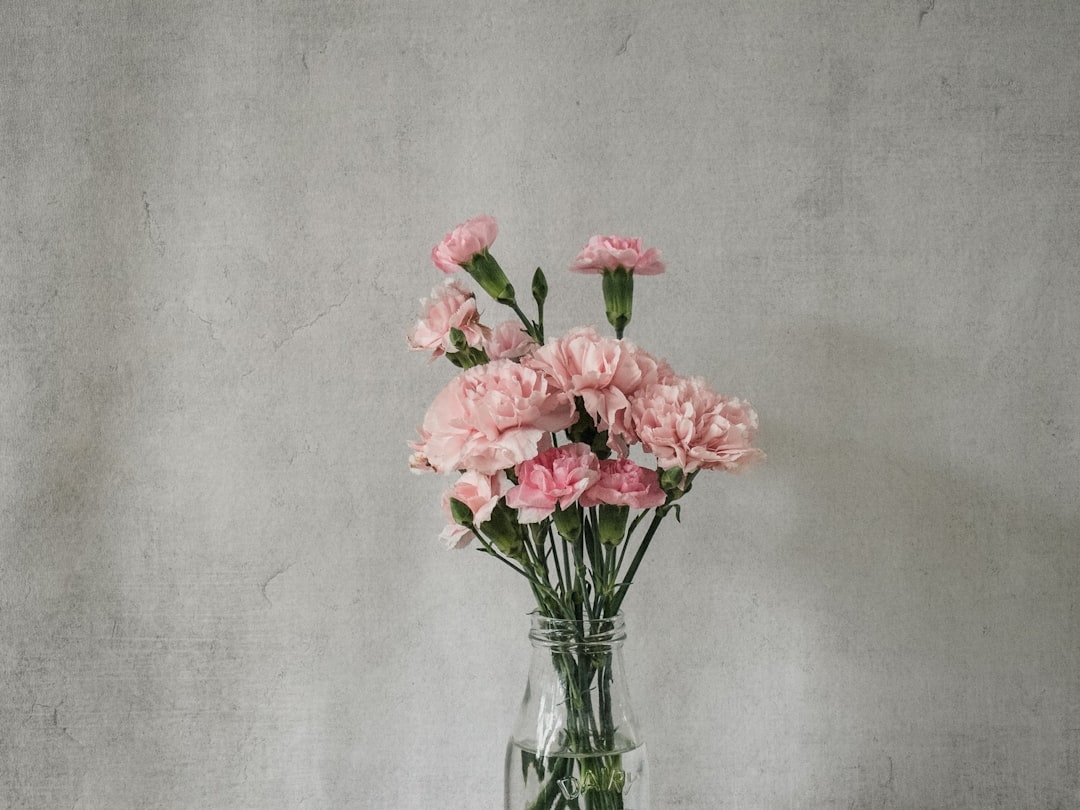
Starting from seed or plug, you’ll see blooms in about 16-22 weeks. Indoor pots work too–just snip regularly for a constant crop.
8. They’re Edible (With Caution)
Petals of organically grown carnations are edible and have a delicate clove-like flavor–ideal for cake decorations, salads, or cocktails. Just avoid leaves and stems, which contain saponins that can cause stomach upset if ingested in large amounts.
“We use carnation petals for color and subtle spice in wedding cakes,” says Olivia Ramos, owner of Brooklyn’s Sugar Petal Bakery.
Quick Recipe: Carnation Petal Sugar
- Mix 1 cup superfine sugar with 1/4 cup washed, dry carnation petals.
- Pulse in a food processor.
- Sprinkle over cookies or scones for floral flair.
9. Carnations Play a Star Role in American Events
From high school dances to political rallies, carnations are nearly always in the spotlight.
- Prom & Homecoming: The classic white carnation boutonniere is a US high school icon.
- Weddings: Used for both fresh and preserved petals; affordable bulk orders from Costco or Sam’s Club.
- Memorial Day: Red carnations laid on veterans’ graves.
- Sports: The Kentucky Derby traditionally awards a garland of 400+ bright red carnations to the Derby winner each May.
10. New Hybrids Arrive Every Season
Thanks to biotech advances, 2026 is seeing exciting carnation varieties with altered petal edges, bi-color patterns, and improved disease resistance.
Trending New Hybrids
- “Starlight Blush”: White with rose-pink edges, bred by Ball Horticultural.
- “Green Envy”: Lime-green petals from Sakata Seed America.
- “Coral Pop”: Compact, vivid coral, winner of the 2026 All-America Selections award.
Hybrid breeding focuses not just on color, but on stem strength (for shipping), fragrance, and vase longevity.
11. Carnations Are a Florist’s Secret Weapon
Why do professional designers reach for carnations time and again?
- They’re available year-round in the US, thanks to global supply chains.
- Their ruffled texture adds volume and movement to arrangements.
- They’re sturdy–carnations rarely shed petals in transit.
- Their slender stems play well with structural designs and foam mechanics.
Next time you order a bouquet from UrbanStems, check the ingredients. There’s a good chance some of those dramatic focal blooms are actually high-grade carnations in disguise.
Frequently Asked Questions
How long do carnations last as cut flowers?
With proper care, cut carnations can last 14 to 21 days in a vase, making them one of the longest-lasting flowers available for home arrangements.
Are carnations safe for pets?
While the petals are non-toxic in small amounts, carnations can cause mild stomach upset in cats and dogs if ingested. It’s best to keep arrangements out of pets’ reach.
Why are some carnations blue?
True blue carnations don’t exist in nature. Most blue carnations sold in the US are white blooms dyed artificially, using floral-safe dye to achieve the desired shade.
Can you eat carnations?
Organically grown carnation petals are edible and often used as decorative accents. Avoid eating leaves or stems, and ensure flowers haven’t been treated with pesticides.
What do different carnation colors mean?
- Red: Love and admiration
- White: Purity and luck
- Pink: Gratitude and motherly love
- Yellow: Disappointment or rejection
Try This: A Carnation Arrangement That Lasts All Month
Ready for flowers that don’t wilt in a weekend? Next time you stop by Whole Foods or order from Bouqs.com, ask for a bouquet heavy on carnations–bonus points for mixing spray and focal types. Change the water every three days, snip stems at an angle, and watch your arrangement flourish for weeks.
Or, challenge yourself: grow a mini-carnation pot on your windowsill. You just might end up with a new favorite flower.