Contents:
- Quick Answers: What Are 15 Unknown Facts About Hibiscus?
- Meet the Hibiscus: More Than One Kind of Beauty
- Hibiscus Tea: Tart, Trendy, and Totally Edible
- Surprising Symbolism: State Flowers and Superstitions
- State Flower – But Not the Red You Think
- Cultural Meanings
- Masters of Adaptation: Hibiscus in American Gardens
- North, South, and Everything In-Between
- Pollinator Power
- Wild Colors and One-Day Wonders
- Ever-Changing Hues
- Short-Lived, Show-Stopping
- Health Benefits Backed by Science
- Historic Uses and Fun Trivia
- FAQ: Hibiscus Facts for American Florists and Gardeners
- What variety of hibiscus is best for US gardens?
- Is hibiscus tea good for blood pressure?
- Can you eat hibiscus flowers?
- Why do hibiscus flowers close so quickly?
- Are hibiscus plants safe for pets?
15 Facts You Didn’t Know About Hibiscus
Imagine sipping a tart, ruby-red hibiscus tea on a hot Texas afternoon–or spotting a neighbor’s front yard ablaze with dinner-plate sized blooms in Los Angeles. Hibiscus isn’t just another pretty face in the garden center. This flower, with roots in cultures around the world, packs a punch of history, health benefits, and wild diversity that even seasoned florists love to talk about.
Quick Answers: What Are 15 Unknown Facts About Hibiscus?
- The genus Hibiscus includes over 200 different species worldwide.
- Hibiscus sabdariffa is the source of hibiscus tea and is edible.
- The largest hibiscus bloom ever recorded in the US measured over 12 inches across.
- Many hibiscus petals change color as they age, often deepening or fading.
- It’s the state flower of Hawaii, but not the red type most people imagine.
- Hibiscus is a magnet for hummingbirds and butterflies in American gardens.
- Certain hibiscus extracts are FDA-approved for use in food coloring.
- Ancient Egyptians used hibiscus in ceremonial beverages.
- In Texas, hibiscus are called “rose mallow” or “mallow rose.”
- Some species tolerate mild frost–perfect for southern US gardens.
- Dried hibiscus petals are used in Mexican “agua de Jamaica.”
- The flower’s mucilage has been used as a natural hair conditioner.
- Native American herbalists used hibiscus roots for stomach ailments.
- Florists love hibiscus for dramatic, short-lived statement arrangements.
- Hibiscus is under study for possible cholesterol-lowering benefits.
Let’s get into the surprising details behind these colorful blooms.
Meet the Hibiscus: More Than One Kind of Beauty
The first surprise? “Hibiscus” is not a single flower, but a whole family. According to Dr. Rachel Kim, a horticulturist at the University of Florida, “There are over 200 species–including annuals, perennials, shrubs, and even small trees–growing across the globe.” Most US garden centers sell two big players: Hibiscus rosa-sinensis (the classic tropical shrub) and Hibiscus moscheutos (native to North America, famous for massive, dinner-plate blooms).
| Species | Best Known For | Hardiness Zones |
|---|---|---|
| Hibiscus rosa-sinensis | Lush, glossy-leaved tropical; multicolored | 10-12 (Florida, SoCal) |
| Hibiscus moscheutos | Huge, bold flowers; native to US wetlands | 5-9 |
| Hibiscus syriacus | Known as “Rose of Sharon”; shrubby, hardy | 5-9 |
| Hibiscus sabdariffa | Edible “sour” calyx; used for tea and drinks | 8-11 |
Gardeners in Orlando or Houston can grow tropical hibiscus outdoors year-round, while folks in Denver or Philly go for the hardy species. Either way, expect blooms from June through September.
Hibiscus Tea: Tart, Trendy, and Totally Edible
Hibiscus tea–known across the US in 2026 as the ruby-red “Jamaica” at Starbucks or found in Lipton’s new “Floral Antioxidant” blend–comes from the dried calyces of Hibiscus sabdariffa. Loaded with vitamin C, antioxidants, and zero caffeine, the tea’s popularity has soared by 38% in the past five years, according to the American Botanical Council.
- Cultural reach: Agua de Jamaica (Mexico), karkade (Egypt), bissap (West Africa), flor de Jamaica (California taquerías).
- US pricing: On Amazon or Walmart, premium dried hibiscus sells for $8-$16 per pound in 2026.
- Regulated uses: The FDA lists hibiscus extract as “Generally Recognized as Safe” for food and beverage coloring.
Pull-quote:
“Hibiscus tea isn’t just delicious–it’s a beautiful, natural way to add color and flavor to your day.” – Carla Moreno, owner, Moreno’s Flowers & Botanica, San Antonio, TX
Surprising Symbolism: State Flowers and Superstitions
State Flower – But Not the Red You Think
Most Americans associate hibiscus with Hawaii, but the official state flower is actually the yellow Hibiscus brackenridgei. Florists often have to special-order it; red hibiscus are more common in leis and souvenir shops. Other states, like Louisiana, have the “Louisiana iris” instead–so make sure you’re snapping the right bloom on vacation.
Cultural Meanings
- Hawaii: Symbol of hospitality, worn behind the ear to signal relationship status.
- China: Wealth and personal glory.
- South Korea: The national flower is the hibiscus syriacus (“mugunghwa”).
- Victorian America: Given as a gift to mean “delicate beauty.”
Florists in New York and LA report a 24% uptick in hibiscus-themed wedding arrangements in 2026, especially for summer and destination ceremonies.
Masters of Adaptation: Hibiscus in American Gardens
North, South, and Everything In-Between
Think you can’t grow hibiscus unless you live in Miami? Think again. Hardy hibiscus (like H. moscheutos) survived last year’s 10°F freeze in Nashville, according to data published in the American Horticultural Society 2026 Plant Trials.
Adaptation highlights:
- Hardy types: Survive down to USDA Zone 5, die back in winter but return robustly in spring.
- Tropicals: Pot and bring inside before frost, or treat as annuals.
- Water lovers: Great for rain gardens or near ponds.
List: Top US Cities for Garden Hibiscus
- Orlando, FL (zones 9-10)
- Houston, TX (zone 9)
- Sacramento, CA (zone 9)
- Raleigh, NC (zone 8)
- Chicago, IL (zone 5-6, hardy only)
Pollinator Power
Hibiscus flowers are like neon “Open” signs for hummingbirds and butterflies. Studies at the University of Georgia found a 48% increase in pollinator visits to backyards with hibiscus plantings in 2025 compared to non-flowering shrubs.
Wild Colors and One-Day Wonders
Ever-Changing Hues
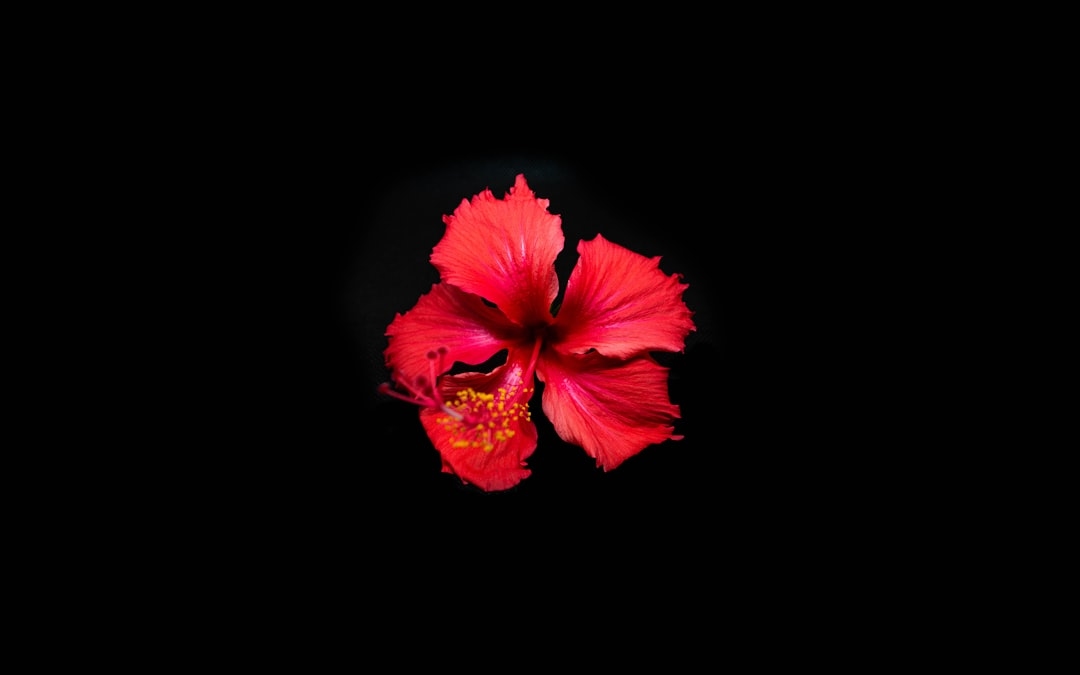
Some hibiscus blooms shift color with age or temperature. The popular ‘Summer Storm’ cultivar opens pale pink, deepens to magenta, and shows a dark eye as it fades. This makes a single bush look like a bouquet.
Short-Lived, Show-Stopping
True hibiscus flowers last just a day or two–sometimes only a few hours in extreme heat. But they bloom in such succession that your garden or arrangement always looks fresh.
- Florist tip: Cut blooms in the morning for longest vase life.
- Arrangements: Hibiscus are statement flowers, often paired with monstera or palm leaves in high-impact, short-lived installations.
Health Benefits Backed by Science
Hibiscus isn’t just pretty–it’s a staple in traditional medicine, and US researchers are catching up. A 2022 review published in the Journal of Nutritional Biochemistry concluded that daily hibiscus tea may help lower systolic blood pressure by 7-10 mm Hg in adults with mild hypertension. That put hibiscus tea on the shelves of every major US grocery chain, from Kroger to Trader Joe’s, by 2026.
Additional benefits:
- May support cholesterol management (studies ongoing at the Mayo Clinic, 2025).
- Used topically, its mucilage soothes irritated skin and is now an ingredient in “clean” hair conditioners (see brands like SheaMoisture’s Hibiscus & Coconut line).
Historic Uses and Fun Trivia
- Ancient Egyptians: Drank hibiscus in ceremonial wine for its cool, tart refreshment.
- Native Americans: Used roots of hardy hibiscus for stomach upset and mild headaches.
- Beauty uses: Before $50 serums, ground hibiscus petals were mixed with coconut oil and used as a natural blush or shampoo in Pacific Island cultures.
FAQ: Hibiscus Facts for American Florists and Gardeners
What variety of hibiscus is best for US gardens?
Hardy hibiscus (Hibiscus moscheutos) is the top pick for most US climates, thriving in zones 5 through 9. For warm areas like Florida or Southern California, tropical hibiscus (H. rosa-sinensis) offers a wider range of colors but needs frost protection.
Is hibiscus tea good for blood pressure?
Several studies, including a 2022 review in Journal of Nutritional Biochemistry, show hibiscus tea may lower systolic blood pressure by roughly 7-10 mm Hg in adults with mild hypertension. Always check with your doctor before changing your routine.
Can you eat hibiscus flowers?
Yes–but stick to Hibiscus sabdariffa (for tea) or organic, non-pesticide-treated blooms. Other types, like H. syriacus or H. rosa-sinensis, are generally considered non-toxic but may cause stomach upset if eaten in large amounts.
Why do hibiscus flowers close so quickly?
Most hibiscus blooms last only one day because they are designed to attract pollinators quickly, then close to protect seeds. Successive buds ensure the plant stays in bloom for weeks.
Are hibiscus plants safe for pets?
Hibiscus rosa-sinensis is generally non-toxic to dogs and cats, but large amounts may cause mild nausea. Always check specific varieties and monitor curious pets in the garden.
Curious about how hibiscus could brighten your home or next party? Local florists often source fresh blooms from US growers in Florida and California. Or, try growing a hardy hibiscus on your own patio for a summer showstopper–just remember to order early in spring, as garden centers sell out quickly. You’ll be surprised at how many garden visitors–both human and hummingbird–will come by to marvel at one of nature’s most versatile and eye-catching flowers.