Contents:
- Quick Answers: What Makes Anemones Special?
- Not All Anemones Are the Same: Over 120 Species and Counting
- Their Name Isn’t Just Pretty–It’s a Nod to Greek Legends
- Vase Life: They Last Longer Than You Think
- Available in the US from Fall to Spring–But There’s a Catch
- They Play Well With (Almost) Everyone in a Bouquet
- Color-Changing Superpower and “Sleeping” Blooms
- Grown in the US–and in Your Backyard
- FAQ: Anemones in 2026
- How long do cut anemones last in a vase?
- Where can I buy fresh anemones in the US in 2026?
- Are anemones safe for pets?
- What do anemones symbolize in American floral design?
- Can I grow anemones from seed at home?
7 Facts You Didn’t Know About Anemones
Magic tricks in the flower world? Anemones pull off quite a few. Picture this: a bridal bouquet in Houston wilting under a June sun–except for one perfect pop of indigo. That’s the anemone, holding its own while others fade. It’s the secret weapon of savvy florists, full of surprises and centuries-old intrigue. For anyone planning centerpieces, bouquets, or a quick mood-brightener, anemones deserve a second look.
Quick Answers: What Makes Anemones Special?
Anemones stand out in the flower market for their unusually bold colors, symbolic versatility (from ancient myths to tattoos), and impressive vase life. They’re often available in the US from October through May, cost $3-$7 per stem in 2026, and can thrive in bouquets and gardens with minimal fuss.
1. Not All Anemones Are the Same: Over 120 Species and Counting
What most people call “anemone” might be vastly different depending on where you shop. There are over 120 recognized species in the Anemone genus, ranging from sleek Mediterranean types to wild North American blooms.
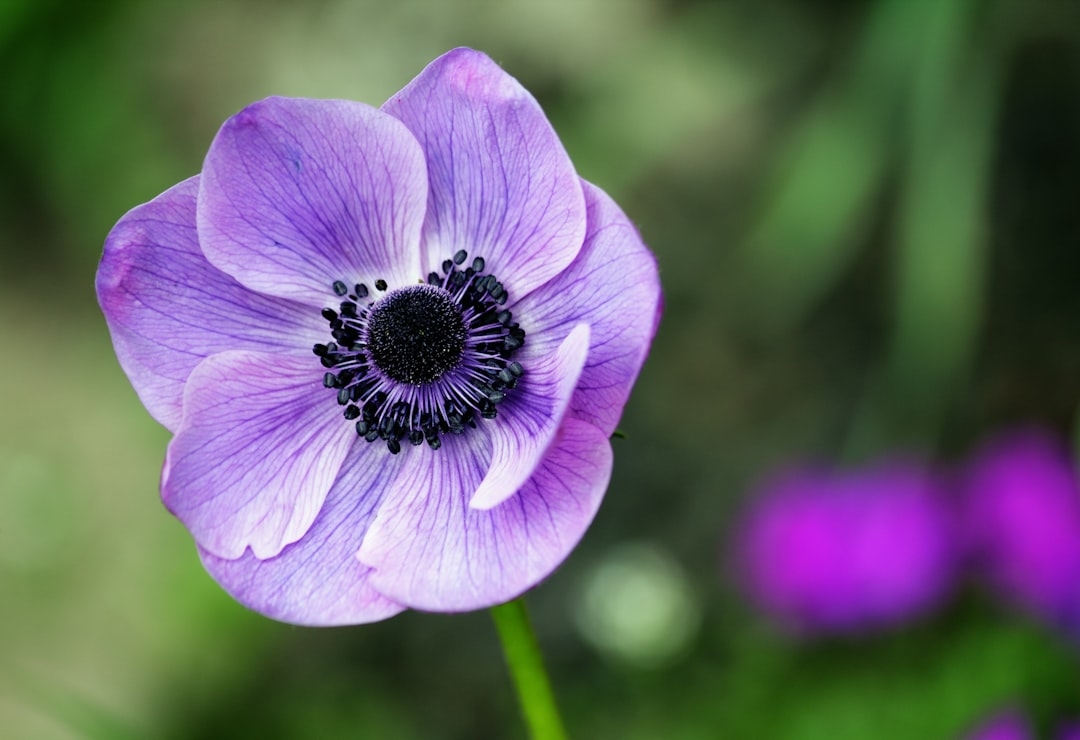
Take Anemone coronaria–the florist’s darling, with its inky centers and range of saturated petal colors. These are the ones you’ll spot at Trader Joe’s, Whole Foods, and upscale shops like UrbanStems during spring months. But in a Maine woodland, you might trip over Anemone canadensis, a delicate white native that looks nothing like its cultivated cousin.
Table: A Quick Comparison Between Popular Anemone Types
| Species Name | Key Appearance | US Growing Zones | Bloom Season in US |
|---|---|---|---|
| Anemone coronaria | Bold central “eye,” vivid red, white, blue, and pink petals | 7-10 | Late winter-spring |
| Anemone hupehensis | Soft pink or white, no dark eye | 4-8 | Late summer-fall |
| Anemone canadensis | Small, white, wildflower look | 3-8 | Late spring-summer |
“We use Anemone coronaria in wedding work for both color and symbolism. No two varieties behave quite the same in a vase,” says Jennifer Lee, owner of Blossom District Florals, Austin, TX.
2. Their Name Isn’t Just Pretty–It’s a Nod to Greek Legends
You might spot anemone tattoos trending on Instagram, but the roots (literally and metaphorically) go way back. The name “anemone” comes from the Greek word for “windflower.” According to legend, the goddess Aphrodite wept over her lost love Adonis, and her tears became anemones. In ancient texts, these blooms were considered omens of change–one gust of wind and their petals scatter.
Today, that symbolism persists:
- Loss and renewal: Popular in sympathy arrangements.
- Protection and anticipation: Historically placed at doorways to ward off evil in European folklore.
- Love and luck: A favorite for sentimental bouquets.
Did you know?
In Japan, anemones symbolize steadfastness and anticipation. Quite a traveler, this little flower.
3. Vase Life: They Last Longer Than You Think
There’s a myth that anemones wilt the moment you blink. Not so, says Maya Garrison, lead designer at Seattle’s Petal & Stem Collective:
“With clean water and a trim, anemones will hold for 7-10 days, sometimes even 12 if they’re locally grown and conditioned.”
Tips for Better Vase Life:
- Change the water every 2-3 days.
- Re-cut stems at an angle under running water.
- Remove any leaves below the waterline–this prevents bacteria.
- Keep them cool and out of direct sunlight or heating vents.
Compare This:
Roses (especially from grocery store bouquets) last 5-8 days. Tulips often droop after 4-6 days. Anemones truly compete, even in 2026’s fast-paced flower market.
4. Available in the US from Fall to Spring–But There’s a Catch
Thinking about anemones for a June wedding in Phoenix? Timing is everything. In the US, the prime season for fresh anemones runs from October to May, with local growers in California, Oregon, and Florida supplying the majority of stems. Out-of-season, your only option is air-freighted anemones from Israel or Italy, which will bump the price up fast.
US Pricing in 2026:
- Wholesale: $2.75-$4 per stem (in season)
- Retail: $3.50-$7 per stem, depending on color and variety
Certain colors (like deep blue and jet black) may fetch premium prices–especially for Valentine’s Day or spring events, when demand spikes.
Delivery services like The Bouqs Co. or UrbanStems offer anemone-heavy bouquets from $54-$85, with overnight shipping in most major US cities.
5. They Play Well With (Almost) Everyone in a Bouquet
Florists prize anemones for their flexibility. A few stems of white anemones bring modern edge to classic rose bunches; jewel-toned varieties punch up pastel spring arrangements. But not every flower likes to share a vase with them.
Best Companion Flowers:
- Ranunculus (same season, similar care)
- Eucalyptus greens
- Peonies
- Sweet peas
- Garden roses
Flowers to Avoid Pairing:
- Daffodils (release sap that shortens vase life for others)
- Hyacinths (too fragrant, clash in scent)
Pull-quote for placement:
“Nothing else offers that mix of drama and elegance–anemones are the secret weapon for eye-catching bouquets,” says Marcus Feldman, Creative Director at Brooklyn Blooms.
6. Color-Changing Superpower and “Sleeping” Blooms
Here’s a party trick few know: anemone petals can subtly shift in color as they age. A fresh magenta bloom may fade toward lavender with time, especially under strong light. Some varieties even show different tones depending on pH in the water–try it with filtered vs. tap.
Anemones also “sleep”–close their petals at night or in the cold, opening dramatically with warmth or morning sun. This gives them a sense of movement and life few cut flowers can match.
Florist tip:
If your anemones arrive closed, place them in a bright (not hot) spot, and they’ll open within hours. For events, always buy 2-3 days ahead for that perfect open bloom.
7. Grown in the US–and in Your Backyard
Commercial US growers like California’s Arcata Flower Farm and Florida’s FernTrust account for most of the domestic anemones sold in 2026. But you don’t have to settle for store-bought: home gardeners are catching on.
Why More Americans Are Growing Anemones:
- Bulbs (“corms”) are available from American suppliers like Floret Flower Farm at $12-$18 for packs of 10.
- Plant in fall for a glorious late winter or early spring show in USDA zones 7-10.
- Cold-tolerant varieties available for zones 4-6 with some protection.
Growing Requirements:
- Well-drained soil, at least 6 hours of sun.
- Pre-soak corms for best sprouting.
- They’re deer-resistant, rabbit-resistant, and overwhelmingly pollinator-friendly.
“I’ve seen homegrown anemones rival commercial imports for color and size. The new ‘Mistral Magenta’ variety is a bestseller this year,” says Linda Foster, Horticulturist at the University of Florida Extension.
FAQ: Anemones in 2026
How long do cut anemones last in a vase?
Most anemones last 7-10 days if kept in clean water, recut every 2-3 days, and stored away from heat and direct sunlight.
Where can I buy fresh anemones in the US in 2026?
Fresh anemones are available from October to May at local florists, specialty grocery stores (like Whole Foods), and online delivery services including UrbanStems, The Bouqs Co., and Farmgirl Flowers.
Are anemones safe for pets?
Anemones are not safe for pets. All parts of the anemone plant contain toxins that can harm dogs and cats if ingested, potentially causing vomiting or skin irritation.
What do anemones symbolize in American floral design?
Anemones symbolize anticipation, renewal, and undying love. In 2026, they’re especially popular in wedding bouquets and sympathy arrangements due to their sentimental meanings.
Can I grow anemones from seed at home?
Yes, but it’s much easier to start with corms (bulb-like roots) purchased from US suppliers. Seeds can be slow and variable, but corms planted in fall usually bloom the following spring.
Ready to experiment? Pick up a bunch of anemones for your next dinner party, or test your green thumb with a few corms this autumn. Their effortless beauty and surprise quirks make them the sort of flower you’ll want to have on repeat–whether on your table, in your garden, or as inspiration for your next big event.