Contents:
- What Is a No-Waste Cutting Garden? (Direct Answer)
- Why Cut Flowers Create So Much Waste
- Planning a Low-Waste Cutting Garden: Getting Started
- Space: How Much Do You Need?
- Site, Soil, and Sun
- Choosing Truly Low-Waste Seeds & Plants
- Favorite No-Waste Flowers for Cutting Gardens
- Harvesting Flowers Without Waste
- Tools and Timing
- Arranging–The Zero-Waste Way
- Composting: Closing the Loop at Home
- Simple Backyard Compost Basics
- What NOT to Compost
- Year-Round Strategies for a Waste-Free Cutting Garden
- Spring & Summer
- Fall
- Winter
- Upcycling and Creative Reuse in Floristry
- Fast FAQ: No-Waste Cutting Gardens
- How much space do I need for a no-waste cutting garden?
- Can I start a no-waste cutting garden in containers?
- What flowers are best for low-maintenance, no-waste bouquets?
- Is it really possible to eliminate all floral waste?
- Can I sell bouquets from my no-waste cutting garden?
How to Grow a No-Waste Cutting Garden
Last summer, Americans threw away an estimated 900,000 tons of yard trimmings–and most of it was perfectly compostable. In the flower world, it’s even more sobering: nearly 80% of the cut flowers sold in the U.S. travel thousands of miles before arriving on your table, leaving a hefty carbon footprint and a trail of single-use plastic sleeves behind. What if your backyard could supply lush, eco-friendly bouquets–without the waste?
What Is a No-Waste Cutting Garden? (Direct Answer)
A no-waste cutting garden is a dedicated garden space for growing flowers explicitly for making bouquets, designed around sustainable practices. The goal is to harvest blooms without generating landfill waste: plants are composted, pruned material is returned to the soil, no plastic wrap or floral foam is used, and seeds or bulbs come in low-packaging or compostable containers. Unlike typical flower beds, every step–from seed starting to arranging–focuses on minimizing environmental impact.
Why Cut Flowers Create So Much Waste
Imported cut flowers look gorgeous on the kitchen table, but they hide a tangle of waste streams. Cut stems are usually shipped from countries like Colombia or Ecuador, packaged with plastic, synthetic preservatives, and non-recyclable foams–then flown to U.S. supermarkets or florists.
A 2023 survey by the Association of Specialty Cut Flower Growers (ASCFG) found the average American bouquet has a carbon footprint equivalent to driving 15 miles in a gasoline car (ASCFG 2023). Most arrangements leave behind:
- Cellophane sleeves
- Rubber bands
- Non-compostable floral foam
- Wire or synthetic ties
- Spent flowers in landfill-bound trash
A no-waste cutting garden flips the script: flowers are homegrown, arrangements are built without single-use materials, and every scrap is composted. Plus, you skip the fossil-fuel miles.
Planning a Low-Waste Cutting Garden: Getting Started
Starting your own no-waste cutting garden is easier than you think–especially if you plan for success from day one.
Space: How Much Do You Need?
You don’t need acres. In fact, a 4×8 raised bed can keep a family in blooms from May through October. According to Hannah Lieber, a Seattle-based organic florist (owner, Rooted Reverie), “Even a few square feet, planned well, can give you buckets of flowers–and not a single ounce of waste.”
Site, Soil, and Sun
Most cut flowers need:
- 6+ hours of sun daily
- Well-drained soil (add compost to enrich)
- Wind protection (tall plants blow over easily)
Tip: Group flowers in rows or blocks, not scattered, to make harvesting quick and efficient (and reduce trampling).
Choosing Truly Low-Waste Seeds & Plants
Look for:
- Seeds sold in paper packets (try Botanical Interests or Renee’s Garden, $3-$5 a pack)
- American-grown bulbs from sources like Brent & Becky’s Bulbs or Old House Gardens
- Swapping with neighbors through “Buy Nothing” and local plant swaps
Avoid: Peat-based seed starting pots. Instead, use newspaper pots or recycled trays.
Favorite No-Waste Flowers for Cutting Gardens
Some flowers are natural low-waste superstars–long vase life, easy to compost, and minimal fuss.
| Flower | Easy to Compost | Long Vase Life | Seeds readily available |
|---|---|---|---|
| Zinnia | ✔️ | ✔️ | ✔️ |
| Cosmos | ✔️ | ✔️ | ✔️ |
| Sunflower | ✔️ | ✔️ | ✔️ |
| Snapdragons | ✔️ | ✔️ | ✔️ |
| Dahlia | ✔️ | ✔️ | ✔️ |
| Calendula | ✔️ | ✔️ | ✔️ |
| Amaranth | ✔️ | ✔️ | ✔️ |
Harvesting Flowers Without Waste
Tools and Timing
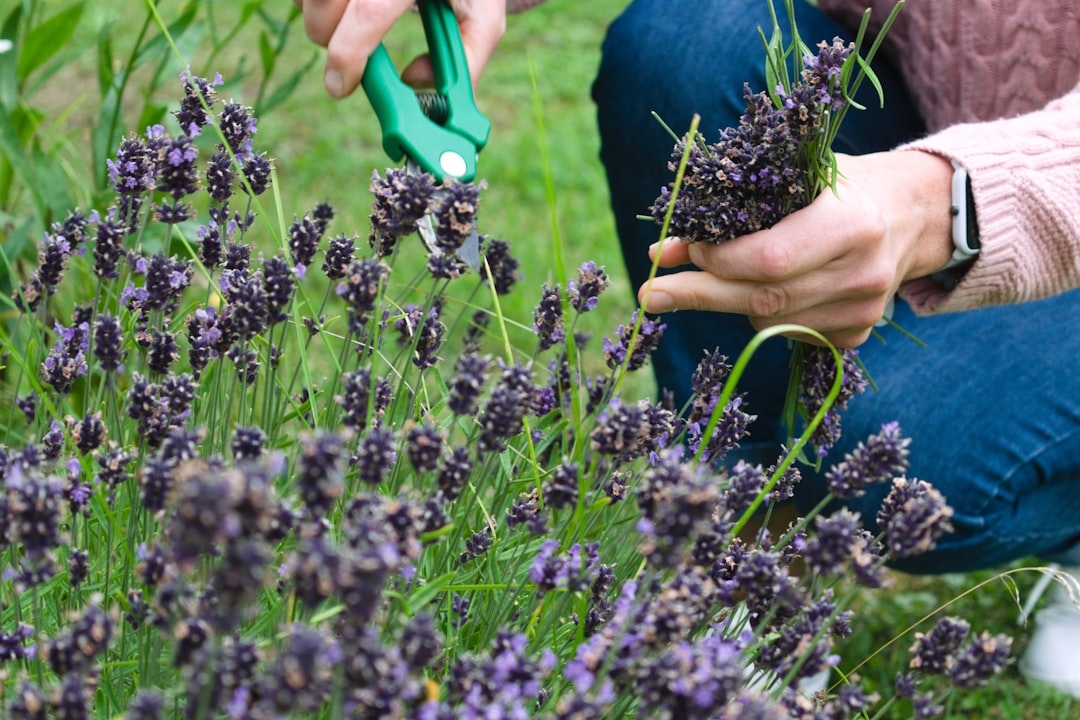
The best bouquets start with savvy harvesting. Early morning, while stems are cool and turgid, is ideal. Use sharp pruners (look for Felco #2, $60, which lasts a lifetime with care) and a clean bucket–no need for floral preservatives if you change the water daily.
Pro tip: Leave some stems for pollinators and seeds; this way, your garden stays a haven for wildlife and self-reseeds for next year.
<ul>
<li>Harvest in the cool morning</li>
<li>Use sharp, washable tools</li>
<li>Collect trimmings directly into your compost bin</li>
</ul>
Arranging–The Zero-Waste Way
Skip the floral foam entirely. Instead:
- Use vintage mason jars, thrifted vases, or recycled bottles
- Secure stems with twine, raffia, or reusable flower “frogs”
- Add foraged greens like mint, basil, or raspberry canes (edible and compostable)
Pull-quote:
“Once you see how gorgeous simple, sustainable arrangements can be, the urge to buy plastic-wrapped bouquets disappears.”
– Tessa Lin, owner of Wild Root Flowers, Portland, OR
Composting: Closing the Loop at Home
Every spent petal and leaf can nurture your next round of blooms. Home composting cuts landfill waste, boosts soil health, and keeps your no-waste cycle rolling.
Simple Backyard Compost Basics
- Pile up green material (flower stems/leaves) with brown material (dry leaves, shredded newspaper)
- Keep damp–not soggy
- Turn every 1-2 weeks
- Finished compost is dark, sweet-smelling, and crumbly–perfect for next season’s garden bed.
What NOT to Compost
- Diseased plants (they can spread pathogens)
- Glossy or plastic-coated materials (stick to plain paper or cardboard)
- Synthetic ribbons/wire
“The average American household can divert up to 30% of their trash just by backyard composting,” says Dr. Priya Hidalgo, soil scientist at UC Davis (2026 panel on sustainable gardening).
Year-Round Strategies for a Waste-Free Cutting Garden
Cutting gardens aren’t just a summer project. Smart planning and maintenance keep yours productive–and sustainable–through all four seasons.
Spring & Summer
- Sow annuals like zinnia, cosmos, and bachelor’s buttons
- Mulch with shredded leaves or grass clippings (skip plastic weed barrier)
- Direct-sow seeds to cut out the need for plastic nursery pots
Fall
- Plant tulip and daffodil bulbs after first frost
- Chop down spent annuals and add to compost
- Collect seeds from favorites (store in paper envelopes for next year)
Winter
- Cover soil with compost, chopped leaves, or cardboard to suppress weeds
- Clean and oil your tools (Felcos last for decades if you care for them!)
- Sketch next year’s planting layout–swap seeds with neighbors via Little Free Seed Libraries
Upcycling and Creative Reuse in Floristry
American florists discard over 150 million plastic flower sleeves every year. Home gardeners can do better–and prettier.
- Wrap bouquets in brown kraft paper or newsprint (compostable)
- Reuse glass jars, milk bottles, or even tin cans as vases
- Make natural ties from jute or cotton twine
- Repurpose ribbons from gifts, or make fabric scraps into bows
Short List: Zero-Waste Bouquet Supplies
- Glass Mason jars ($12/dozen at Target)
- Natural twine (50ft spool, $3-$5)
- Brown kraft paper (buy a 100ft roll, $15 at Staples)
- Vintage vases from thrift stores (often $1-$3)
Fast FAQ: No-Waste Cutting Gardens
How much space do I need for a no-waste cutting garden?
A 4×8 foot bed–32 square feet–is enough to provide regular bouquets for a household from late spring to fall. Even a sunny balcony with a few deep containers can keep your vases full.
Can I start a no-waste cutting garden in containers?
Absolutely. Use 8-12 inch deep pots, fill with rich compost, and choose compact varieties like dwarf zinnias or calendula. Be sure to compost plant waste and use natural twine or newspaper to wrap bouquets.
What flowers are best for low-maintenance, no-waste bouquets?
Try zinnia, cosmos, sunflowers, and calendula. They are easy to grow, need minimal care, and all parts can be composted at home.
Is it really possible to eliminate all floral waste?
While you may still have some minimal packaging from seeds or tools, you can avoid nearly all non-compostable waste by using local resources, homegrown flowers, and reusable or compostable supplies. Aim for zero landfill waste as your standard.
Can I sell bouquets from my no-waste cutting garden?
Yes–locally! Many American farmers markets and flower CSAs (Community Supported Agriculture) welcome sustainable, zero-waste bouquets. Package them in paper, use natural ties, and include notes about your eco-friendly process to attract like-minded buyers.
Want to see fewer plastic-wrapped blooms and more neighborhood-grown bouquets in 2026? Share extra seeds, offer a composting demo on your block, or deliver a no-waste bouquet to a neighbor–and watch your garden’s goodwill blossom alongside your flowers.