Contents:
- Which Flowers Are Safe to Keep Near Reptiles?
- Why Flower Safety Matters for Reptile Keepers
- Common Risks from Unsafe Flowers
- The Best Flowers to Keep Near Reptiles
- Orchid Varieties
- Hibiscus
- Roses (Unsprayed)
- Nasturtiums and Marigolds
- Pansies and Violets
- Flowers to Avoid Near Pet Reptiles
- High-Risk Toxic Flowers
- Pesticide and Preservative Risks
- Floristry Tips: Arranging Flowers with Reptile Safety in Mind
- Smart Placement
- Water and Vase Management
- Sourcing and Washing
- Safe Flower Care: How to Keep Bouquets Fresh Without Chemicals
- American Flower Delivery Services: Reptile-Friendly Options
- Frequently Asked Questions
- Are roses safe for reptiles?
- What flowers are poisonous to reptiles?
- Can I put flowers inside my reptile’s enclosure?
- Is pollen from safe flowers a risk to reptiles?
- Where can I buy reptile-safe flowers in the US?
Flowers Safe to Keep Near Reptiles: A Practical Guide for Pet Owners and Plant Lovers
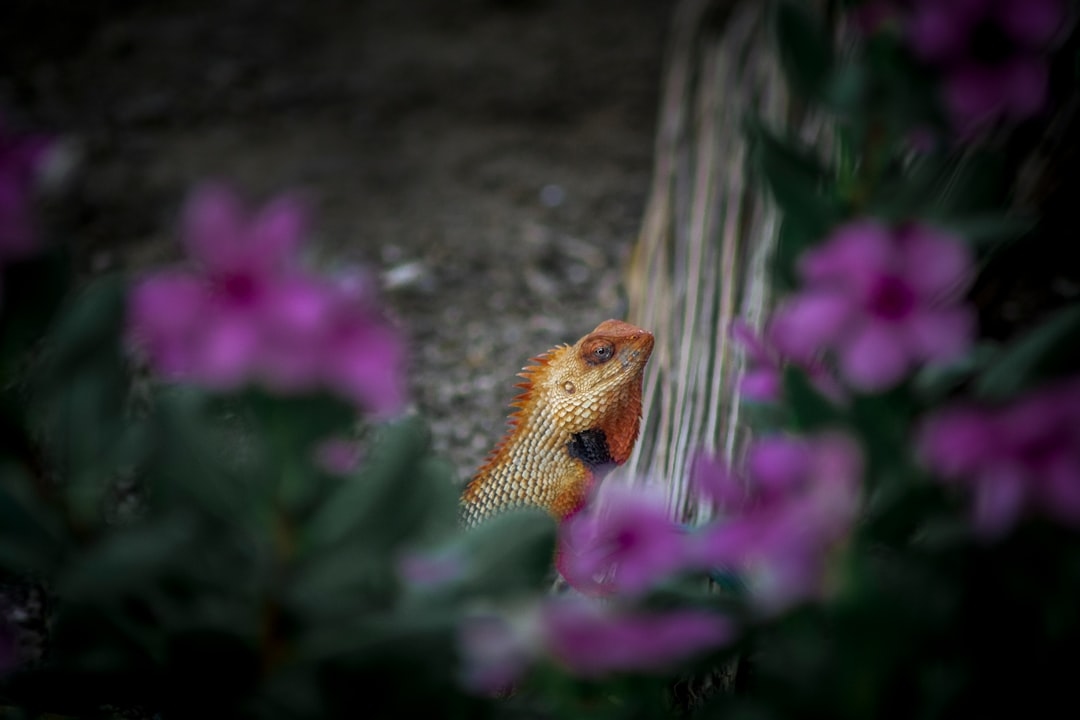
A bearded dragon basking under a heat lamp, a leopard gecko peering from a log, and freshly cut blooms brightening up the room–few things delight quite like the combination of reptiles and fresh flowers. Yet the wrong bouquet can turn a cozy terrarium into a risk zone. According to the National Reptile Welfare Association, over 18% of accidental reptile poisonings in the US come from household plants or flowers. So, which flowers are safe to keep near reptiles, and which should never grace your home if you share it with scaly friends?
Which Flowers Are Safe to Keep Near Reptiles?
Direct Answer:
Many blooms are harmless to reptiles when displayed nearby, provided they aren’t ingested. Safe flower choices for reptile households include hibiscus, orchids, roses (unsprayed), marigolds, nasturtiums, and pansies. Avoid toxic flowers like lilies, daffodils, foxglove, and oleander. Always double-check botanical names and consult a reptile-savvy vet or herpetologist before introducing new plants or flowers.
Why Flower Safety Matters for Reptile Keepers
Most reptiles aren’t notorious for munching on bouquets. But curious lizards, turtles, or tortoises are the exceptions. For example, Russian tortoises and iguanas will often nibble on anything leafy or colorful. Even if your pet isn’t a chewer, flower pollen, falling petals, or plant water can pose risks.
Dr. Samantha Graves, DVM and herpetology consultant, told the 2025 American Herp Society Symposium, “Over half the plant toxicity cases I see in reptiles come from owners putting bouquets too close to vivariums.” It’s not just about direct nibbling–wind, tank fans, or curious tongues can transfer pollen and sap.
Common Risks from Unsafe Flowers
- Toxic ingestion: Even a small bite can be dangerous, especially with potent plants like daffodils or azaleas.
- Allergic reactions: Some species develop contact dermatitis or respiratory irritation from certain flower pollens.
- Pesticide residues: Flowers treated for long-lasting blooms may have pesticides or preservatives unsafe for all animals.
The Best Flowers to Keep Near Reptiles
Curating a “reptile-safe” bouquet isn’t hard–once you have a reliable list. Here’s a rundown of flowers frequently cited as safe by US herpetological and floristry experts.
Orchid Varieties
Elegant and diverse, nearly all orchids (family: Orchidaceae) are considered non-toxic to reptiles and other pets. Common cultivars like Phalaenopsis (moth orchids) and Dendrobium are safe to display near geckos or skinks. Orchids also don’t typically shed messy pollen, making cleanup easy.
Hibiscus
Hibiscus rosa-sinensis is a staple both as a decorative flower and a healthy treat for many reptiles, especially iguanas and tortoises. Dried hibiscus is even sold as a natural supplement at specialty pet shops like Josh’s Frogs or Zoo Med. The blooms are vitamin-rich and completely non-toxic.
Roses (Unsprayed)
Classic garden roses (Rosa spp.) are non-toxic, but caution is crucial: florists often treat roses for longevity. If you buy from the grocery store, remove all leaves and rinse blooms thoroughly. Better yet, cut unsprayed roses from your own garden or a pesticide-free local source.
Nasturtiums and Marigolds
Both nasturtiums (Tropaeolum majus) and marigolds (Tagetes spp.) are edible flowers favored by reptile keepers. They offer color and are safe for tortoises, beardies, and omnivorous lizards. They’re also easy to grow from seed for a homegrown “bouquet bar.”
Pansies and Violets
Pansies (Viola tricolor) and violets (Viola odorata) round out the safe list. Both add a cheerfully bright touch to windowsills and table arrangements without harm to your cold-blooded friends.
Safe Flowers List
- Orchid (Phalaenopsis, Dendrobium)
- Hibiscus (Hibiscus rosa-sinensis)
- Rose (Rosa spp., unsprayed)
- Nasturtium (Tropaeolum majus)
- Marigold (Tagetes spp.)
- Pansy (Viola tricolor)
- Violet (Viola odorata)
- Spider Plant (Chlorophytum comosum) – for green fillers
“Orchids and hibiscus are my go-tos for reptile-owning clients. They’re beautiful, hardy, and completely harmless to most lizard and tortoise species.”
– Melissa Cohen, Certified Florist & Exotic Pet Owner, Los Angeles
Flowers to Avoid Near Pet Reptiles
Some flowers are deceptively pretty–and seriously toxic. Even if you’re sure your pet can’t reach, pollen grains or fallen petals can be enough to cause harm.
High-Risk Toxic Flowers
| Flower | Toxic Parts | Symptoms in Reptiles |
|---|---|---|
| Lily (all types) | All parts | Neurological, kidney issues |
| Daffodil | Bulbs, leaves | Severe GI upset, death |
| Foxglove | All parts | Cardiac toxicity, paralysis |
| Oleander | All parts | Heart failure, rapid death |
| Azalea | All parts | Drooling, loss of coordination |
| Tulip | Bulbs, leaves | GI upset, weakness |
| Amaryllis | Bulb, leaves | Vomiting, tremors |
Florists in the US frequently use lilies and tulips in spring bouquets–bad news for reptile keepers. According to a 2024 survey from the Pet Poison Helpline, lilies are among the top three most dangerous flowers for all household pets, including reptiles.
Pesticide and Preservative Risks
Imported or commercial bouquets, especially from big-box stores, often contain residual pesticides or floral preservatives. These chemicals are rarely tested for pet safety, so even non-toxic blooms can become risky if not properly rinsed.
Floristry Tips: Arranging Flowers with Reptile Safety in Mind
A beautiful flower arrangement is possible in a reptile household–just tweak your routine.
Smart Placement
- Place vases well out of reach of curious lizards or turtles.
- Use shelves or tables away from vivarium fans or heat lamps, which can spread pollen.
- Avoid placing flowers inside or right on top of enclosures.
Water and Vase Management
- Change vase water daily to avoid bacterial growth that could harm pets if spilled.
- Skip commercial cut-flower food, which often contains additives not tested on animals.
- Consider using glass or ceramic vases instead of plastics, which can harbor bacteria.
Sourcing and Washing
- Choose locally grown, organic flowers where possible. US farmers’ markets (spring through fall) and specialty florists are a good bet.
- Thoroughly rinse all flower stems and petals before bringing them into the reptile area.
Safe Flower Care: How to Keep Bouquets Fresh Without Chemicals
Want your safe-for-reptiles bouquet to last? You don’t have to resort to chemical preservatives or sprays.
- Trim stems at a 45-degree angle under water–this maximizes water uptake.
- Place in clean, room-temperature water.
- Add a teaspoon of sugar and a few drops of apple cider vinegar to feed the blooms and suppress bacterial growth–pet safe, and surprisingly effective.
- Remove any fading or fallen petals immediately.
Pro tip: Invest in a simple bouquet chiller like the “FlowerStay Mini Fridge” ($149 on Amazon, as of January 2026) if you want to keep flowers near pets but out of reach.
American Flower Delivery Services: Reptile-Friendly Options
Some US flower delivery services are catching on to the needs of pet owners:
- Bouqs now offers an “Eco Pet-Friendly” line, listing reptile-safe blooms and guaranteeing pesticide-free growing practices.
- Petals.com will custom-make arrangements with your exclusion list (e.g., no lilies, no daffodils) for an added $10 fee.
- For local sourcing, check with neighborhood florists or use Slow Flowers’ US directory for organic, small-batch options.
Always specify your pet’s species and ask about flower and pesticide safety before purchasing.
Frequently Asked Questions
Are roses safe for reptiles?
Unsprayed roses (Rosa spp.) are non-toxic and generally safe for reptiles. However, store-bought roses may be treated with chemicals. Always wash thoroughly and, when possible, use homegrown or organic blooms.
What flowers are poisonous to reptiles?
Many common flowers are toxic to reptiles, including lilies, daffodils, foxglove, oleander, and tulips. Even tiny exposures can cause neurological or cardiac symptoms. Avoid these entirely in reptile households.
Can I put flowers inside my reptile’s enclosure?
It’s best to avoid placing cut flowers directly inside an enclosure, as even safe varieties can wilt quickly and cause mold or bacterial issues. If you want natural décor, use only edible, pesticide-free plants specifically approved for your pet’s species.
Is pollen from safe flowers a risk to reptiles?
Generally, pollen from non-toxic flowers like orchids, hibiscus, or pansies poses little risk if it’s not ingested in large quantities. However, excessive pollen can sometimes irritate airways–keep arrangements well away from ventilation or heat sources.
Where can I buy reptile-safe flowers in the US?
Look for organic or locally-grown flowers from farmers’ markets, or order from specialized services like Bouqs’ Eco Pet-Friendly line. Always confirm with the seller that no harmful chemicals were used on the blooms.
Choosing flowers that are safe to keep near reptiles doesn’t mean sacrificing beauty or variety. With the right knowledge and a few mindful habits, you can fill your space with blooms and enjoy your reptilian companions worry-free. Why not create your own mini “reptile-friendly bouquet bar” at home–experiment with hibiscus, pansies, or even edible marigolds, and invite both scales and petals into your living space, safely and vibrantly?