Contents:
- What Grows Best in a Pacific Northwest Cutting Garden? (Quick Answer)
- Why Cutting Gardens Thrive in the Pacific Northwest
- Designing Your PNW Cutting Garden Plot
- Ideal Size and Layout
- Row Spacing & Access
- The Essential Pacific Northwest Cutting Flowers
- Best Spring Blooms
- Summer Superstars
- Fall and Foliage
- Succession Planting for Nonstop Bouquets
- What Is Succession Planting?
- Soil, Water, and Fertility: Winning Formulas
- Soil Prep
- Fertilizers
- Watering
- Staking and Flower Care
- Staking Tall Flowers
- Cutting & Conditioning
- Vase Life by Flower (Quick Reference)
- Top Varieties Loved by PNW Florists
- Schedule: When to Start Seeds and Plant Out
- Pacific Northwest Cutting Garden: FAQ
- How much does it cost to start a cutting garden in the PNW?
- What flowers bloom the longest in the Pacific Northwest?
- Can I grow a cutting garden without full sun?
- When is the best time to cut flowers for maximum vase life?
- Are there deer-resistant cut flowers for the Pacific Northwest?
- Ready To Get Growing?
Cutting Garden Plan for the Pacific Northwest
On a misty June morning in Portland, fresh peonies and dewy sweet peas can fill an entire kitchen with color and scent – and they didn’t come from a florist or a supermarket. The Pacific Northwest, with its mild, rainy winters and gentle summers, is tailor-made for growing cut flowers at home. For garden lovers, a cutting garden isn’t just a project; it’s a year-round invitation to step outside and bring armfuls of beauty indoors.
What Grows Best in a Pacific Northwest Cutting Garden? (Quick Answer)
The top flowers for a Pacific Northwest cutting garden include dahlias, peonies, roses, tulips, ranunculus, sweet peas, cosmos, snapdragons, zinnias, sunflowers, and hydrangeas.
These thrive in the region’s cool springs and warm, dry summers. For non-stop bouquets, plant a mix of spring bulbs, summer annuals, and fall perennials. Focus on varieties bred for long stems and vase life – and don’t forget foliage plants like eucalyptus and dusty miller for texture.
Why Cutting Gardens Thrive in the Pacific Northwest
Rainfall, mild winters, and long summer days make the Pacific Northwest (PNW) unique among U.S. regions for cut flower gardening. USDA Zones 7b-9a blanket most metro areas from Seattle to Eugene. According to Dr. Mara Lennox, horticulture professor at Oregon State University, “The PNW’s marine influence means fewer late frosts and steady spring rains, ideal for cool-season flowers like sweet peas and tulips.”
Average rainfall in Seattle sits around 37 inches per year, while Portland sees 43 inches – more than enough to keep thirsty blooms happy through their early growth.
The region’s climate also means you can stretch the cutting season from February (with hellebores and early daffodils) through November (with late-blooming dahlias and chrysanthemums).
Designing Your PNW Cutting Garden Plot
Ideal Size and Layout
- Starter plan: 8×12 feet (easily managed, supplies a vase per week)
- Serious flower lovers: 20×20 feet or more (plenty for house, friends, and gifts)
Place your garden in full sun – at least 6 hours daily – and be sure the soil drains well. Raised beds (12-18 inches high) are a common choice in the PNW to avoid soggy roots; cedar or composite boards both work well and last for years in wet weather.
Row Spacing & Access
Plant in 2-3 foot wide rows or blocks, leaving 18-inch paths between. This makes cutting, weeding, and staking much easier. Tall varieties like sunflowers and dahlias need the north side to avoid shading shorter plants.
Pro tip: Install simple drip irrigation (expect to spend $80-$120 for a 100 sq ft area; brands like Rain Bird and DripWorks are popular in the US).
The Essential Pacific Northwest Cutting Flowers
Best Spring Blooms
| Flower | Key Varieties | Bloom Time | Vase Life | Notes |
|---|---|---|---|---|
| Tulips | ‘Apricot Parrot’, ‘Queen of Night’, ‘Angelique’ | March-May | 7 days | Plant in Nov, deer-resistant |
| Narcissus | ‘Thalia’, ‘Geranium’ | March-April | 6 days | Fragrant, rodent-proof |
| Ranunculus | ‘Amandine’ series | April-May | 8 days | Needs cool soil (plant Feb) |
| Peonies | ‘Sarah Bernhardt’, ‘Coral Charm’ | May-June | 7-10 days | 3+ years for strong blooms |
Plant bulbs and ranunculus corms in November or February for a vibrant April and May harvest.
Peonies are long-lived – some Pacific Northwest clumps bloom for 40 years or more.
Summer Superstars
- Dahlias: The undisputed queen from July to frost. ‘Cafe au Lait’, ‘Cornel’, and ‘Black Satin’ are top choices for home cuttings. Pinch to encourage branching.
- Roses: David Austin English roses (‘Desdemona’, ‘Eustacia Vye’) thrive in PNW weather. Feed with organic rose food in spring, prune hard in February.
- Cosmos & Zinnias: Direct-sow in May. ‘Sensation Mix’ and ‘Benary’s Giant’ (zinnia) provide continuous blooms, even in cool summers.
“Dahlias love the PNW – they bloom longer, colors are richer, and you get buckets of stems,” notes Zoë Barrett, owner of Seattle’s Flower Forge floral studio.
Fall and Foliage
- Chrysanthemums: Heirloom and Korean varieties bloom Oct-Nov.
- Hydrangeas: ‘Limelight’ and ‘Annabelle’ can be cut fresh or dried for winter bouquets.
- Foliage: Grow dusty miller, eucalyptus, and amaranth for filler. Artemisia and bronze fennel add scent and texture.
Succession Planting for Nonstop Bouquets
What Is Succession Planting?
Succession planting means sowing new seeds or planting new starts every 2-4 weeks, so you always have something in bloom and ready to cut. In the Pacific Northwest, this is especially effective for quick-growing annuals.
Flower Succession Timeline Example
| Month | Sow/Plant | Cut/Harvest |
|---|---|---|
| February | Ranunculus corms, sweet pea seeds | Early tulips, hellebores |
| April | Zinnia, cosmos starts | Last daffodils, first ranunculus |
| May | Sunflower seeds (every 2 weeks) | Peonies, early roses |
| July-Aug | Second planting of cosmos/zinnia/snapdragon | Dahlias, roses, sunflowers |
| September | Late snapdragons, dry hydrangeas | Dahlias, chrysanthemums |
Planting in waves means you’ll rarely be without something beautiful to cut – even when summer is winding down.
Soil, Water, and Fertility: Winning Formulas
Soil Prep
PNW soils are often a bit acidic (pH 5.5-6.5). Add lime if soil test shows pH below 6. Mix in 3-4 inches of compost before planting. For sandy soils (common near Puget Sound), add extra organic matter to retain moisture.
Fertilizers
Use a balanced, organic fertilizer (like Espoma Flower-Tone, $15 for 4 lbs) at planting, and again as blooms form. Avoid high-nitrogen lawn fertilizers – they push leaves, not flowers.
Watering
- Spring: Natural rainfall often suffices until May.
- Summer: 1” per week minimum; more during hot spells. Drip irrigation beats sprinklers for disease prevention.
- Mulch: Wood chips or bark mulch reduce weeds and conserve water.
Staking and Flower Care
Staking Tall Flowers
Dahlias, delphiniums, and sunflowers easily topple in summer storms. Use 4-foot bamboo stakes or wire tomato cages. Netting (like Hortanova) supports an entire row and costs about $18 for a 6×30-foot roll.
Cutting & Conditioning
- Cut early morning for longest vase life.
- Use sharp, clean shears (Felco and Corona are US favorites).
- Remove lower leaves before placing in water.
- For woody stems (roses, hydrangeas), recut underwater and use flower food.
Vase Life by Flower (Quick Reference)
| Flower | Vase Life |
|---|---|
| Dahlia | 4-5 days |
| Zinnia | 7-10 days |
| Peony | 7-10 days |
| Rose | 6-8 days |
| Cosmos | 5-7 days |
Top Varieties Loved by PNW Florists
Here’s a shortlist based on conversations and 2026 order data from American flower-delivery platforms like Farmgirl Flowers and UrbanStems:
- Dahlia ‘Café au Lait’ – trending for weddings, soft blush color
- Peony ‘Coral Charm’ – prized for vibrant hue and early bloom
- Rose ‘David Austin Desdemona’ – scented, disease-resistant
- Sunflower ‘ProCut Plum’ – non-dropping pollen, unique ombré color
- Sweet Pea ‘Turquoise Lagoon’ – long stems, powerful scent
Florist Hanna Ling, owner of Bend, Oregon’s Small Wonder Blooms, says,
“Finding varieties bred for stem length, not just garden display, makes all the difference. Look for ‘cut flower strains’ in seed catalogs like Johnny’s Selected Seeds or Floret Flowers.”
Schedule: When to Start Seeds and Plant Out
- Bulbs (tulip, daffodil): Plant in-ground late October to early December.
- Ranunculus/Anemone corms: Soak and pre-sprout indoors, then plant out in February.
- Sweet peas: Sow indoors in January or direct-sow in late February.
- Cosmos, zinnia, sunflowers: Start indoors in April, transplant after last frost (typically April-May in lowland PNW).
- Dahlias: Plant tubers after soil warms (mid-May).
Pacific Northwest Cutting Garden: FAQ
How much does it cost to start a cutting garden in the PNW?
Expect to spend $150-$400 for a basic 8×12 foot garden (soil, compost, seeds, stakes, simple drip kit). Buying premium dahlia tubers or David Austin roses can add $5-$40 per plant.
What flowers bloom the longest in the Pacific Northwest?
Dahlias, cosmos, and zinnias bloom nonstop from July until first frost, often 4+ months. Roses can rebloom from May-October. Hydrangeas and snapdragons also have extended seasons.
Can I grow a cutting garden without full sun?
You’ll get fewer flowers and shorter stems; but peonies, hellebores, and foxglove will tolerate light shade. For best results, prioritize sun for annuals like zinnias and cosmos.
When is the best time to cut flowers for maximum vase life?
Early morning, before the sun hits the petals. Hydrate stems quickly, and keep arrangements out of direct heat.
Are there deer-resistant cut flowers for the Pacific Northwest?
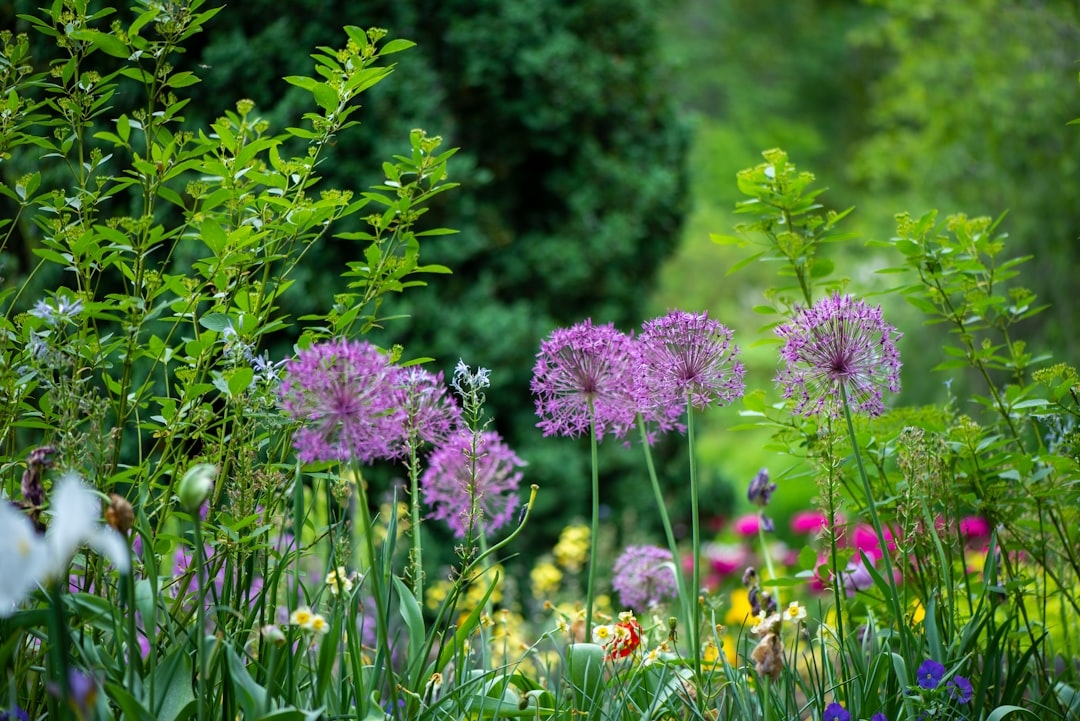
Yes. Daffodils, alliums, snapdragons, and foxglove are rarely browsed by deer. Locally, deer pressure is lower in city gardens but higher at forest edges.
Ready To Get Growing?
The magic of a Pacific Northwest cutting garden is in the abundance – armfuls of blooms, no flower miles, and bouquets that beat anything found at the grocery store. This month, sketch a plan and buy seeds for your first round of sweet peas or zinnias. Come summer, you’ll be filling vases (and maybe delighting friends or neighbors) with your own harvest, rain or shine.