Contents:
- What Is an S-Shape Floral Arrangement? (Featured Snippet)
- Why Choose an S-Shape Arrangement?
- Choosing Materials for an S-Shape Arrangement
- Best Flowers and Foliage
- Tools and Supplies List
- How to Make an S-Shape Floral Arrangement: Step-by-Step
- Step 1: Prepare Your Container
- Step 2: Map the S-Curve
- Step 3: Build the Skeleton
- Step 4: Add Focal Flowers
- Step 5: Finish With Texture and Fillers
- Step 6: Final Touches
- S-Shape vs. Other Floral Arrangements: A Comparison
- Pro Tips for S-Shape Arrangements That Wow
- Use Stems With Natural Bends
- Work in Odd Numbers
- Think in Layers
- Refresh Water and Mist Daily
- Use Local Flower Services
- Pull-Quote
- Troubleshooting Common Problems
- Arrangement Looks Stiff
- Foam Is Exposed
- Flowers Wilt Quickly
- Arrangement Is Too Short or Flat
- Frequently Asked Questions
- How long does an S-shape arrangement last?
- What flowers work best for an S-shape design?
- Can I make an S-shape arrangement without floral foam?
- How big should my S-shape arrangement be for a dining table?
- Where can I buy supplies for S-shape designs in the US?
- Ready to Try an S-Shape Floral Arrangement?
S-Shape Floral Arrangement Guide
A single S-curve can make a room feel instantly more elegant. Florists have embraced the S-shape arrangement for generations, using this distinctive flow to bring drama and balance into their designs. Picture a fireplace mantel or wedding altar–one well-made S-shape bouquet can quietly steal the show, drawing the eye through its gentle twists and turns.
What Is an S-Shape Floral Arrangement? (Featured Snippet)
An S-shape floral arrangement is a flower display where the stems and blooms are positioned to form a flowing, serpentine curve reminiscent of the letter “S”. This design style emphasizes movement, rhythm, and visual balance–often featuring a central focal flower and accentuating tall, arching branches or foliage at both ends. Popular in American floristry for both events and home décor, S-shape arrangements typically measure 18-30 inches long, and are constructed using floral foam for stability and precision.
Why Choose an S-Shape Arrangement?
The S-shape isn’t just for show. This classic form, also called the Hogarth Curve (after 18th-century painter William Hogarth), embodies what florists call “dynamic balance.” Unlike stiff, triangular designs or round bouquets, the S-shape brings a sense of graceful movement–think of a dancer’s arm or a river’s gentle bend.
Florist and author Megan Lowell, AIFD, says,
“Clients who want a touch of drama without going overboard always love the S-curve. It works beautifully on large dining tables, hotel lobbies, or anywhere you want to direct attention without a single flower shouting for it.”
This shape can:
- Guide the viewer’s gaze naturally from one flower to the next.
- Show off stems with natural curves (calla lilies, snapdragons, delphinium, and willow branches).
- Adapt to various scales, from compact desk bouquets to towering wedding installations.
- Provide extra stability in busy settings–since the S-shape is typically built in foam, it’s less likely to tip.
Choosing Materials for an S-Shape Arrangement
Selecting the right flowers and greenery is half the battle. The most successful S-shape designs balance line, form, and color.
Best Flowers and Foliage
Certain stems lend themselves to a flowing S-curve better than others.
Top picks:
- Curved focal flowers: Calla lilies, tulips, and gladiolus.
- Line flowers: Snapdragons, delphinium, larkspur.
- Strong yet flexible branches: Curly willow, river birch, dogwood.
- Foliage: Sword fern, Italian ruscus, aspidistra leaves.
“I always reach for callas and snapdragons first,” shares Tanesha Brooks, lead designer at Blush & Vine Florals (Dallas, TX). “They practically dance into an S-shape all by themselves.”
Colors:
For a classic look, go with two analogous or complementary colors (like peach and burgundy, or blue and yellow). Greens with a glossy finish (think monstera or ruscus) amplify the curves.
Tools and Supplies List
- Sharp floral clippers or professional shears ($12-$30)
- Standard florist foam block (Oasis brand, about $3-$5 per block)
- Low, sturdy container (ceramic, glass, or acrylic; 12-24 inches wide)
- Waterproof floral tape
- Accent filler flowers: waxflower, stock, baby’s breath
- Floral wire (22-26 gauge, for shaping/strengthening weak stems)
- Optional: Lazy Susan turntable to rotate your work easily
How to Make an S-Shape Floral Arrangement: Step-by-Step
Ready to get hands-on? Here’s a practical breakdown–perfect for DIYers, hobbyists, or those prepping for floral certification exams.
Step 1: Prepare Your Container
- Soak the floral foam in cold water with flower food for at least 10 minutes.
- Secure foam tightly inside your container using waterproof tape.
- Trim excess foam so it sits 1-2 inches above the rim for easy stem insertion.
Step 2: Map the S-Curve
- Visualize (or lightly sketch) an S on a piece of paper or on the foam itself.
- Insert your tallest, most flexible stems at both the upper left and lower right (or vice versa), forming the two ends of the S.
- Use two or three branches for a dramatic outline.
Step 3: Build the Skeleton
- Add secondary stems (like snapdragons or larkspur) to reinforce the S-curve.
- Keep each insertion at a slight angle, following the direction of the overall line.
- Rotate the container often to keep the curve visible from all sides.
Step 4: Add Focal Flowers
- Place focal blooms (callas, roses, orchids) along the heart of the S, clustering 2-3 together at the “waist” of the curve for extra impact.
- Tuck in foliage to soften mechanics and fill negative spaces.
Step 5: Finish With Texture and Fillers
- Layer in filler flowers (waxflower, limonium, statice) to bridge gaps.
- Add trailing greenery (ivy, ruscus) at the ends to accentuate the curve.
- Mist the arrangement lightly with water and check for foam exposure.
Step 6: Final Touches
- Step back and adjust stem lengths or direction as needed.
- Remove any leaves below the water line to prevent rot.
- For transport, wedge the arrangement in a cardboard box snugly filled with tissue or packing paper.
Quick Reference Checklist:
- Map curve with flexible stems.
- Fill in line and secondary flowers.
- Cluster focal blooms at the S’s center.
- Blend in filler and foliage.
- Rotate and refine.
S-Shape vs. Other Floral Arrangements: A Comparison
Here’s how the S-shape measures up against popular US floral arrangement styles:
| Style | Visual Flow | Typical Use | Structure | Skill Level |
|---|---|---|---|---|
| S-shape | Dynamic, sweeping | Statements, centerpieces | Foam, angled | Moderate-Advanced |
| Round/Posy | Static, compact | Gifting, table vases | Hand-tied or foam | Beginner |
| Triangular | Geometric, balanced | Altars, lobbies | Foam, fixed lines | Beginner-Moderate |
| Asymmetrical/Ikebana | Freeform, sparse | Modern art, entryways | Frog/pin-cup | Advanced |
| Crescent | Curved, one-sided | Mantels, side tables | Foam or hand-tied | Moderate |
“The S-curve is forgiving in some ways, but getting the rhythm right takes practice. It’s like composing music–the pauses are as important as the notes,” notes Yvonne Kim, MFA, founder of Seattle’s Sun & Stem Studio.
Pro Tips for S-Shape Arrangements That Wow
A few tricks make all the difference between a stiff arrangement and a flowing, magazine-worthy S-curve.
Use Stems With Natural Bends
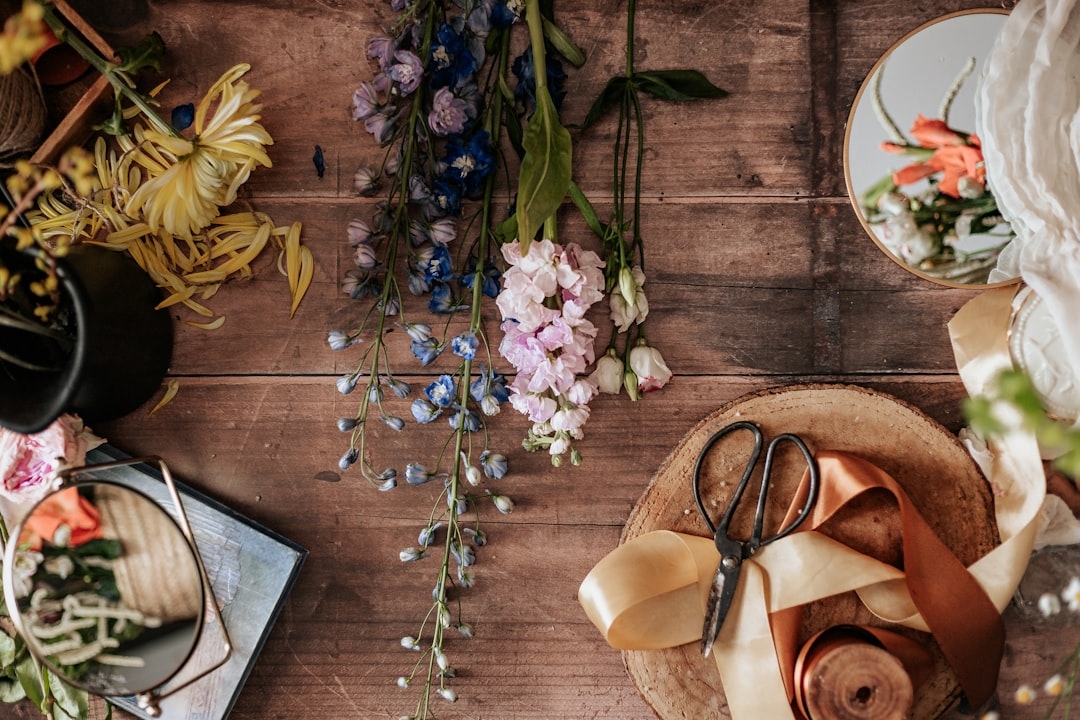
Forcefully wiring straight stems can look artificial. Instead, choose plants with a gentle, natural arc.
Work in Odd Numbers
Place focal flowers in groups of 3 or 5 for a more organic look.
Think in Layers
Don’t cram everything on a flat plane. Stagger stem heights and let some elements sit deeper in the foam, others almost “jumping out” of the curve.
Refresh Water and Mist Daily
Even with foam, arrangements last longer if you top up water and mist petals–especially in air-conditioned American homes.
Use Local Flower Services
For fast, high-quality stems, order from US suppliers like FiftyFlowers.com or Farmgirl Flowers (both ship fresh to home florists in 2026), or stop by a neighborhood grocery florist like Trader Joe’s for affordable basics.
Pull-Quote
“Mastering the S-shape is about learning to see movement in the materials themselves. Sometimes a single willow branch can guide your whole design.”
– Lisa Tran, Lead Designer at Wildflower Society, Brooklyn, NY
Troubleshooting Common Problems
Arrangement Looks Stiff
- Reposition stems so they gently cascade or arch instead of sticking straight out.
- Loosen the cluster at the S’s midpoint; don’t cram too many large blooms together.
Foam Is Exposed
- Tuck in extra filler flowers or moss to disguise mechanics.
- Add a few additional leaves to soften hard edges.
Flowers Wilt Quickly
- Remove wilting blooms immediately to prevent ethylene gas from triggering others.
- Display away from drafts and direct sunlight.
Arrangement Is Too Short or Flat
- Add longer stems at the ends or “arms” of the S for extra dimension.
- Use floral wire to support and extend curve flowers without breaking.
Frequently Asked Questions
How long does an S-shape arrangement last?
With proper care–daily misting, topping up water, and removing wilted flowers–an S-shape floral arrangement built in quality foam typically lasts 5-8 days, depending on flower type and room conditions.
What flowers work best for an S-shape design?
The best flowers for S-shape arrangements are those with natural curves or flexibility, including calla lilies, snapdragons, tulips, gladiolus, and curly willow branches. For foliage, sword fern and Italian ruscus provide structure and softness.
Can I make an S-shape arrangement without floral foam?
Yes, but it’s easier to achieve a strong curve with foam. If you’re avoiding foam (for sustainability reasons), try using a pin frog or crisscrossing floral tape over a weighted vase to help anchor stems.
How big should my S-shape arrangement be for a dining table?
For a standard US dining table (36-42 inches wide), an S-shape arrangement measuring 18-24 inches long and 8-12 inches wide fits well, allowing space for table settings and conversation.
Where can I buy supplies for S-shape designs in the US?
US-based florists and hobbyists can shop S-shape arrangement supplies at sites like Afloral.com, Michaels, and local floral supply wholesalers. For fresh stems, FiftyFlowers and Farmgirl Flowers are top-rated online for 2026.
Ready to Try an S-Shape Floral Arrangement?
Find a flower you love with a natural curve and build from there. Take your time shaping each stem, trust your instincts on how far to twist that willow branch, and don’t worry about perfection–movement and a sense of life are what make the S-shape so compelling. Snap a photo of your finished arrangement and share it with your local florist or online floral community. Chances are, you’ll inspire someone else to look at flowers–and maybe the world–a little differently.