Contents:
- Quick Answer: What Does the Lotus Represent in Major Religions?
- Why the Lotus? The Science and Story Behind the Symbol
- Nature’s Perfect Metaphor
- By the Numbers
- The Lotus in Buddhism: From Suffering to Enlightenment
- The Path of the Lotus
- A Monk’s Perspective
- The Lotus in Hinduism: Purity, Divinity, and Cosmic Power
- Divine Thrones and Sacred Origins
- Rituals and Modern Practice
- The Lotus in Ancient Egypt: Sun, Rebirth, and the Afterlife
- From the Nile to the Heavens
- Enduring Influence
- Lotus Symbolism in Christianity and the US Context
- Mary and the Madonna Lily
- In the US Flower Market
- Comparing Lotus Symbolism: Major Religions & Cultures
- Why Does the Lotus Endure? Modern Meaning in 2026
- FAQ: Lotus Flower Symbolism
- What does the lotus flower mean spiritually?
- Which color lotus flower is most sacred in Buddhism?
- Does the lotus have different meanings in different religions?
- Are lotus flowers available in the US for floral arrangements?
- Is the lotus flower edible or used in wellness products?
The Symbolism of the Lotus Across Religions
Walk into almost any yoga studio in Los Angeles, and you’ll glimpse a lotus motif–on wall art, water bottles, maybe even a teacher’s arm. Yet this elegant aquatic bloom has traveled far more than 8,000 miles, carrying layers of meaning across centuries and continents. The lotus is not just a flower; it’s a centuries-old symbol, revered from the temples of India and Egypt to the icons of modern mindfulness. This is no accident–its delicate petals and muddy roots embody stories, struggles, and spiritual triumphs for billions around the world.
Quick Answer: What Does the Lotus Represent in Major Religions?
Across world religions, the lotus stands for spiritual awakening, purity, resilience, and divine creation. In Buddhism, it’s the journey from suffering to enlightenment. In Hinduism, the lotus is tied to gods and goddesses–symbolizing purity and spiritual power. Ancient Egyptian belief saw the lotus as a sign of rebirth and the sun. Its meanings shift from one tradition to another, but always point to something sacred, uplifted, and transcendent.
Why the Lotus? The Science and Story Behind the Symbol
Nature’s Perfect Metaphor
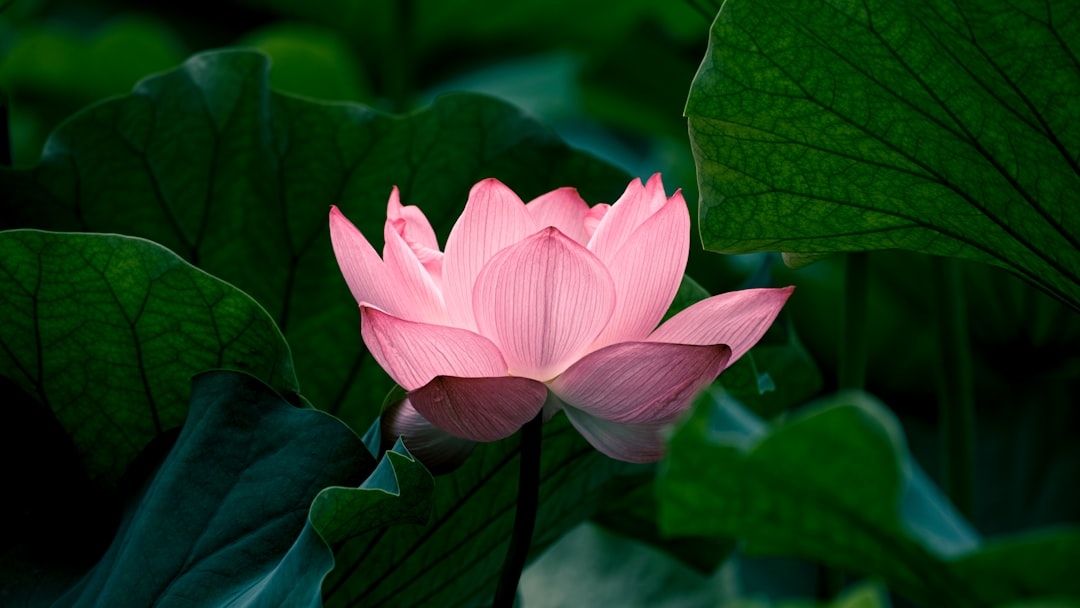
The lotus (Nelumbo nucifera) grows in murky ponds and lakes, its roots buried in mud. Each day, blossoms rise without a speck of dirt, opening pristine in the sun. Dr. Margo Ellis, horticulturist and author of Sacred Blooms: The Rituals of Flowers, explains, “Biologically, lotus leaves are coated with nanoscale waxy molecules–what botanists call ‘the lotus effect.’ Water and dirt just roll right off. It’s nature’s lesson: beauty can thrive in adversity.”
By the Numbers
- The lotus has been cultivated for at least 3,000 years, with ancient seeds found viable after two millennia.
- In 2026, the global lotus flower market is valued at $87 million, with rising demand from American florists for spiritual gifts and weddings (source: US Flower Market Insight, 2026).
The Lotus in Buddhism: From Suffering to Enlightenment
The Path of the Lotus
Step into a Buddhist temple–even in San Francisco or New York–and you’ll spot lotuses everywhere: statues, murals, even tattoos on practitioners’ wrists. For Buddhists, the lotus mirrors the human journey. We all start in muddy waters, untouched by life’s challenges. Through growth, meditation, and compassion, we rise, blooming into our highest, purest selves.
- Eight-petaled lotus: Symbolizes the Eightfold Path (right view, intention, speech, action, livelihood, effort, mindfulness, concentration).
- Colors matter: White (purity), pink (Buddha’s birth), blue (wisdom), red (love and heart).
A Monk’s Perspective
Venerable Kelsang Norbu of the San Francisco Kadampa Buddhist Center notes:
“To meditate on the lotus is to remember: no mud, no lotus. True peace comes from meeting difficulty with kindness and clarity.”
Many US meditation retreats offer lotus flowers as keepsakes or central décor, charging from $18 to $75 per stem (BloomNation, 2026). Demand spikes during Vesak, the Buddha’s birthday.
The Lotus in Hinduism: Purity, Divinity, and Cosmic Power
Divine Thrones and Sacred Origins
In Hindu iconography, major deities–including Vishnu, Lakshmi, and Saraswati–sit atop or hold lotuses. The Sanskrit word for lotus, padma, appears in countless mantras and scripture. Why? The flower signals untouched purity and spiritual authority.
Key Symbolisms in Hindu Mythology
- Creation story: Brahma, the creator god, emerges from a lotus blossoming from Vishnu’s navel, signaling the universe’s birth.
- Lakshmi: Goddess of abundance, often depicted amidst blooming lotuses, signifies prosperity emerging even in chaos.
Rituals and Modern Practice
Lotus garlands are ubiquitous at Hindu weddings and temple offerings in the US–from Edison, NJ to Artesia, CA. According to Priya Subramaniam, florist and founder of Lotus NYC (serving South Asian-American communities), “Wholesale lotus prices doubled in 2025, but demand has never been higher–especially for prayer altars and Diwali celebrations.”
The Lotus in Ancient Egypt: Sun, Rebirth, and the Afterlife
From the Nile to the Heavens
The blue lotus (Nymphaea caerulea), native to ancient Egypt, was no mere decoration. Egyptians saw in its daily rhythm–closing at night, reopening with sunrise–a cosmic parallel to rebirth and immortality.
Roles in Ritual and Art
- Pharaohs and gods: Lotus motifs were carved into tombs, crowns, and scarabs, marking cycles of life and resurrection.
- Sacred brew?: Archaeologists suggest that blue lotus may have been used in ritual wine for mild psychoactive or uplifting effects.
Enduring Influence
Modern Egyptologists, like Dr. Samira Khalil (University of Chicago), argue the lotus’ solar symbolism influenced both Greco-Roman art and 19th-century spiritual movements in America.
Lotus Symbolism in Christianity and the US Context
Mary and the Madonna Lily
In Western art, the white lily often stands in for the lotus’s qualities–purity, rebirth, peace. Yet American garden designers and interfaith spiritual centers increasingly blend lotus motifs in multi-faith settings.
In the US Flower Market
- Lotus bouquets: Trending in wellness spas, yoga studios, and interfaith weddings from Miami to Seattle.
- Pricing: A lotus stem runs $9-$22 in US specialty shops as of 2026, reflecting its growing symbolic (and Instagram-worthy) status.
- Lotus-inspired jewelry: From Pandora’s 2026 “Enlighten” collection to Etsy’s hand-stamped pendants, the motif is booming.
Comparing Lotus Symbolism: Major Religions & Cultures
| Tradition | Key Symbolism | Typical Use | Example Color |
|---|---|---|---|
| Buddhism | Enlightenment, purity | Statues, art, altars | Pink, white |
| Hinduism | Divine creation, power | Deity thrones, offerings | Pink, gold |
| Ancient Egypt | Rebirth, the sun | Tombs, crowns, perfumes | Blue |
| Christianity/US | Purity, peace | Bouquets, décor, artwork | White |
Why Does the Lotus Endure? Modern Meaning in 2026
Americans in 2026 are seeking symbols that bridge inner tranquility and outward resilience. The lotus–unattached to one creed–offers an inclusive metaphor. Wellness apps (like Calm and Headspace) use the lotus in branding to signal holistic growth. In 2025, searches for “lotus flower meaning” grew 38% on Google in the US, according to SEMrush data.
Florists, too, report that lotus arrangements are now requested for everything from baby showers to memorials–“for anyone starting over,” says Maria Alvarez, owner of Petal & Stem Dallas. “The story of rising from the mud resonates with all of us.”
FAQ: Lotus Flower Symbolism
What does the lotus flower mean spiritually?
Spiritually, the lotus stands for purity, spiritual awakening, and resilience. Its growth from muddy waters into a pristine bloom mirrors the human journey from struggle to enlightenment.
Which color lotus flower is most sacred in Buddhism?
In Buddhism, the pink lotus is especially sacred, representing the historical Buddha and the ultimate state of enlightenment.
Does the lotus have different meanings in different religions?
Yes. While purity and spiritual transformation are shared themes, specific meanings vary: creation and divinity in Hinduism, rebirth in Egypt, and enlightenment in Buddhism.
Are lotus flowers available in the US for floral arrangements?
Yes. Specialty florists and online services like BloomNation and UrbanStems offer lotus stems and arrangements, typically ranging from $9-$75 per stem in 2026.
Is the lotus flower edible or used in wellness products?
Absolutely. Lotus seeds and roots are used in Asian cuisine and holistic wellness products, from teas to supplements, available at stores like Whole Foods or Thrive Market in the US.
Inspired to add a lotus to your own space or practice? Talk to your local florist about sourcing sustainably-grown lotuses, or try growing your own in a backyard pond (kits start at $32 online in 2026). Whether in prayer, meditation, or just as a stunning centerpiece, let the lotus remind you: beauty, resilience, and renewal always begin at the roots.