Contents:
- Safe Flowers to Use Near Food: Quick Reference
- Why Flower Safety Matters at Events
- Which Flowers Are Actually Safe Around Food?
- Edible Flowers Commonly Used in US Events
- What Makes a Flower “Food Safe”?
- Beyond Edibility: The Role of Sourcing & Handling
- Edible Flowers: How to Source Them Safely in the US
- Where (and Where Not) to Buy
- Choosing and Storing Edible Flowers
- Flowers to Absolutely Avoid Near Food
- Displaying Flowers Near Food: Practical Tips for Planners
- Best Practices for Beautiful and Safe Tablescapes
- Trend Watch: Flower Garnishes and Food Safety in 2026
- Flowers Safe to Put Near Food at Events: FAQ
- Which flowers can be placed directly on cakes and desserts?
- What happens if someone eats a non-edible flower by accident?
- Are store-bought flowers safe to use on food?
- Can I grow my own edible flowers for event use?
- How should edible flowers be prepared before using near food?
- Ready to Create Safe & Spectacular Floral-Food Displays?
Flowers Safe to Put Near Food at Events
Picture this: a wedding brunch, sunlight washing over vintage china, and a table bursting with vibrant blooms. Now imagine one guest absent-mindedly plucks a petal and pops it in their mouth. For hosts and planners, beautiful florals aren’t just about aesthetics. They’re about safety, too. Selecting flowers safe to put near food at events isn’t optional–it’s essential.
Safe Flowers to Use Near Food: Quick Reference
For quick peace of mind, here’s a direct answer. The safest flowers to put near food at events are:
- Edible varieties like pansies, violas, nasturtiums, marigolds (Tagetes), snapdragons, bachelor’s buttons (cornflowers), calendula, and rose petals (unsprayed, organic).
- Culinary-grade lavender, chamomile, and certain types of mint and basil blossoms.
- Unsprayed, organically grown edible flowers from reputable sources like Gourmet Sweet Botanicals, Marx Foods, or local organic farmers.
Never use flowers from florists unless labeled edible and food-safe, as conventional floristry supplies are often treated with chemicals.
Why Flower Safety Matters at Events
It’s not just the little ones who get curious about garnishes. According to Tara Moore, Certified Event Florist (CEF) and owner of Sprout & Stem in Austin, TX, “About 1 in 10 guests will handle or taste décor if it looks appealing–especially on dessert tables.” The American Journal of Event Safety reported in 2025 that 14% of event-related food illnesses were traced back to inedible or contaminated floral decorations.
Flowers add a signature touch to any celebration, but many popular blooms (like lilies or daffodils) are toxic if ingested. Even small traces on a cupcake can pose a risk. And it’s not just about poisonous plants: floristry pesticides and leaf-shine sprays can linger even on edible species, creating invisible hazards.
Bottom line: Only use flowers listed as safe and sourced responsibly when arranging near food.
Which Flowers Are Actually Safe Around Food?
Edible Flowers Commonly Used in US Events
Here’s a curated list that you’ll spot at top restaurants, weddings, and even on Food Network.
- Pansies and Violas: Mild, grassy flavor, hundreds of color options.
- Nasturtiums: Peppery, bold, and brilliant in salads.
- Calendula: Also called “poor man’s saffron,” adds color and a tangy taste.
- Marigolds (Tagetes): Citrus-like and bright–avoid French marigold (Tagetes patula) for food safety.
- Borage: Blue, cucumber-flavored, perfect for cocktails.
- Chive blossoms: Savory, purple pom-poms with oniony notes.
- Rose petals: Fragrant, sweet, best in desserts and punches (always organic).
- Lavender: Use sparingly for subtle herbal notes.
Table: Popular Edible Flowers vs. Toxic Lookalikes
| Edible Flower | Toxic Lookalike | Notes |
|---|---|---|
| Pansy | Foxglove | Foxglove = highly poisonous |
| Bachelor’s Buttons | Bluebell | Bluebells are toxic |
| Calendula | Marigold (Inca – Tagetes erecta) | Only some Tagetes species are edible |
| Rose | Oleander | Oleander is deadly toxic |
| Nasturtium | Buttercup | Buttercup is toxic |
Pro tip: Always double-check plant ID. Even professionals like Amy Gonzales, Botanical Safety Educator (Certified in 2024), say, “I see events every year where someone accidentally swaps safe for unsafe flowers–especially with similar-looking varieties.”
What Makes a Flower “Food Safe”?
Beyond Edibility: The Role of Sourcing & Handling
It’s not enough for a flower to be edible in theory–it has to be food-safe in practice.
- Growing conditions: Most store-bought bouquets (Trader Joe’s, Kroger, 1-800-Flowers) are grown with pesticides not allowed on crops intended for human consumption.
- Harvesting: Even a food-safe variety can be dangerous if cut with dirty tools or stored with inedible stems.
- Packaging: Never use flowers from conventional florists for food unless they’re marketed as edible and untreated.
For the US market in 2026, expect to pay about $20-$30 for an edible flower sampler box from reputable suppliers (enough for 50+ cake or plate garnishes).
Pull-Quote
“Edible flowers are like fresh herbs: you want them organic, clean, and straight from a trusted grower.”
–Tara Moore, Sprout & Stem, CEF
Edible Flowers: How to Source Them Safely in the US
Where (and Where Not) to Buy
- Reputable Online Retailers: Gourmet Sweet Botanicals, Marx Foods, Melissa’s Produce.
- Local Growers at Farmers’ Markets: Ask about chemical use and food handling practices.
- Specialty Grocers: Whole Foods or Central Market (look for “culinary” labeling in the produce section).
Avoid:
- Supermarket floral departments, especially bouquets labeled “not for consumption.”
- Big-box stores (Costco, Walmart) unless specifically selling edible flowers in the produce section.
Choosing and Storing Edible Flowers
- Look for: Firm petals, vibrant color, no wilting or brown spots.
- Storage: In the fridge, on damp paper towels, in a sealed container. Use within 2-3 days for best flavor and safety.
Flowers to Absolutely Avoid Near Food
Some flowers are so toxic or allergenic they should never go near food or drinks at events. Here’s a non-exhaustive but essential list:
- Lily of the valley (Convallaria): Cardiac toxins.
- Foxglove (Digitalis): Fatal even in tiny amounts.
- Oleander: Even pollen is dangerous.
- Hydrangea: Cyanogenic compounds.
- Daffodil: Nausea, vomiting risks.
- Buttercup, bluebell, azalea, wisteria: All toxic.
Even petals from these may cause reactions just from brushing against cakes or being used as a garnish. For US events, the FDA maintains a list of poisonous and edible plants that’s updated annually–worth checking before hosting.
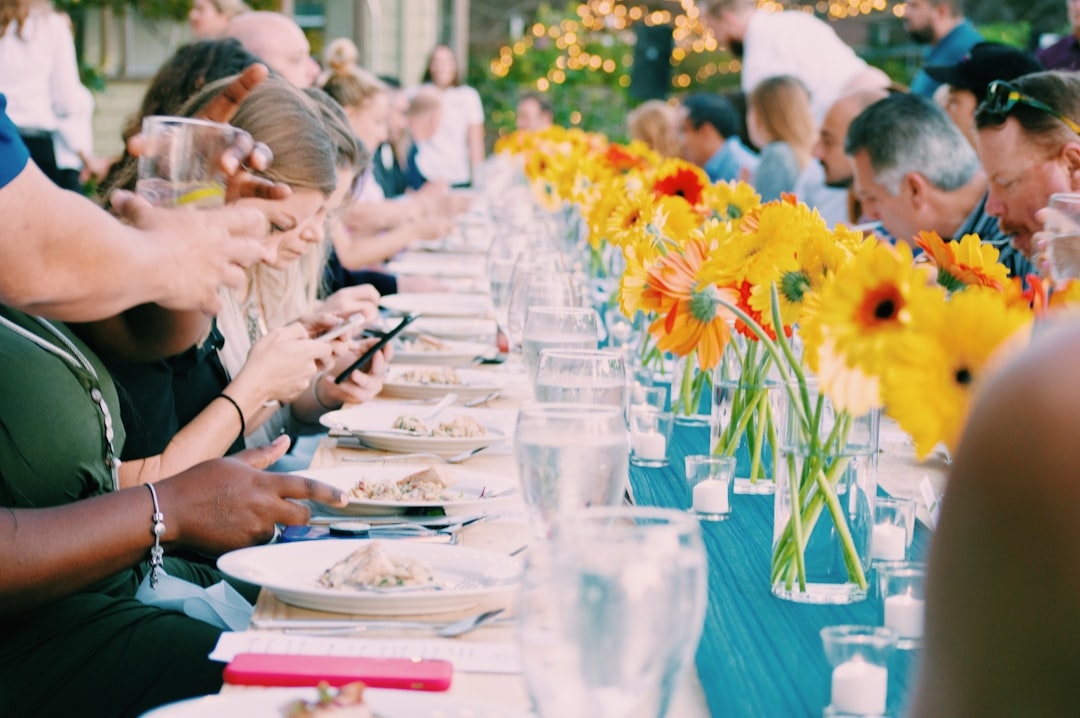
Displaying Flowers Near Food: Practical Tips for Planners
Best Practices for Beautiful and Safe Tablescapes
-
Use only food-safe flowers for any direct contact with food or drink.
Place arrangements beside platters, not on top, unless every element is edible and untreated. -
For layered cakes or charcuterie boards, insert flowers into small tubes or wrap stems in floral tape, then food-safe wax paper. This keeps sap or chemicals from leaching.
-
If using non-edible flowers for atmosphere, place them well away from any dishes people are likely to touch or serve themselves from.
-
Label edible flowers. At upscale events, “edible flower” markers or menu notations aren’t just chic–they help guide curious guests.
-
Educate your catering staff. Even in 2026, surveys show 30% of venue or kitchen staff assume all flowers on ordered cakes are edible unless told otherwise.
Trend Watch: Flower Garnishes and Food Safety in 2026
The edible flower market in the US grew by 19% between 2024 and 2026, according to the National Restaurant Association. Thanks to Instagram and TikTok, floral cocktails and botanical desserts are at an all-time high in popularity.
Emerging Trends:
- Micro-florals (tiny petals, maximum color) topping mini-cupcakes.
- “Farm-to-cake” arrangements, with chefs and florists collaborating for hyper-local edible bouquets.
- Flower ice cubes (mocktails and cocktails alike)–lavender, rose, and borage are favorites.
US-based flower-delivery services like UrbanStems and The Bouqs Co. have started offering “culinary collections” for events, but always confirm “edible” status before using blooms near food.
Flowers Safe to Put Near Food at Events: FAQ
Which flowers can be placed directly on cakes and desserts?
Only edible flowers grown without chemical pesticides are safe to place directly on cakes and desserts. Common US-safe picks include pansies, violas, roses (organic only), calendula, nasturtiums, and borage. Always check sourcing and avoid using standard florist flowers.
What happens if someone eats a non-edible flower by accident?
Symptoms vary but can include nausea, vomiting, allergic reactions, or worse depending on the plant’s toxicity. For highly toxic varieties like foxglove or lily of the valley, immediate medical attention is required. If there’s doubt, contact Poison Control (1-800-222-1222 in the US).
Are store-bought flowers safe to use on food?
No, unless they are specifically labeled as edible and food-safe. Most store-bought flowers are treated with non-food-safe chemicals. Only buy culinary flowers from trusted, organic sources.
Can I grow my own edible flowers for event use?
Yes–growing your own edible flowers (without pesticides or chemical fertilizers) is a wonderful option, especially for home events. Be sure to correctly identify all species before serving, and harvest in the morning for peak freshness.
How should edible flowers be prepared before using near food?
Rinse gently in cold water, pat dry, and use immediately or store refrigerated. Remove all stems, sepals, and pistils unless specifically noted as edible. Inspect for bugs or debris.
Ready to Create Safe & Spectacular Floral-Food Displays?
Choosing flowers safe to put near food at events means more than just checking a box–it’s about caring for your guests, elevating your presentation, and joining a deliciously creative movement. Next time you’re planning a wedding, shower, or brand brunch, make the edible flower selection part of your menu planning. Connect with local growers, discuss options with your caterer, and surprise your guests with blooms that are as safe as they are stunning.
2026 is the year of the edible flower. Your tablescape can be beautiful, bold, and above all–worry-free.