Contents:
- How to Hang Flowers to Dry: Quick Step-by-Step
- Why Hang Flowers to Dry? Timeless Looks and Practical Perks
- Vintage Style Meets Sustainability
- Save Money and Reduce Waste
- Best Flowers to Hang & Dry
- Top Flowers for Hanging Upside Down
- Comparison Table: Flower Performance When Dried
- Step-by-Step: Hanging Flowers to Dry (In-Depth)
- Harvest at the Right Moment
- Prep the Stems
- Bundle and Tie Securely
- Hang in Ideal Conditions
- Wait and Monitor
- Troubleshooting & Expert Tips
- Preventing Droop & Petal Loss
- Battling Mold
- Storing Dried Flowers
- Creative Ways to Use Dried, Hanging Flowers
- Frequently Asked Questions about Hanging Flowers to Dry
- How long does it take to hang flowers to dry?
- Can I hang any flower to dry, or do some work better than others?
- What are the best conditions for hanging flowers to dry?
- How do I preserve the color of dried flowers?
- Is it possible to dry flowers in the microwave or with silica gel?
- Where Could Your Dried Flowers Take You Next?
Hanging Flowers to Dry – Step-by-Step
There’s real magic in preserving a bunch of peonies or sunflowers from your own backyard. Dried blooms can hold color and sentiment for years, turning fleeting garden moments into lasting art. In 2026, with fresh flowers costing an average of $37 per arrangement (according to Florists’ Review Magazine), learning to dry your own can save money and open up endless creative possibilities. Ready to hang flowers to dry and keep beauty thriving through the seasons?
How to Hang Flowers to Dry: Quick Step-by-Step
For those looking for the simplest route, here’s how to hang flowers to dry in a nutshell:
- Pick at peak bloom: Harvest flowers in mid-morning, when dew has dried but before sun wilts petals.
- Remove lower leaves: Strip off foliage that would be below the tying point.
- Group & tie: Bundle 5-10 stems with twine. Make it tight–stems shrink as they dry.
- Hang upside down: Use a hook or clothes hanger in a dry, dark, well-ventilated space (think a closet or attic).
- Wait & check: Most flowers dry in 2-4 weeks. They’re ready when stems snap rather than bend.
“Drying flowers doesn’t just preserve them–it lets you enjoy your favorite varieties long after their season ends.”
– Tasha McKinney, Lead Florist, Petal & Stem (Denver, CO)
Why Hang Flowers to Dry? Timeless Looks and Practical Perks
Dried flowers have never been trendier in US homes, retail shops, or DIY projects. According to the National Gardening Association, searches for “how to dry flowers” grew by over 80% from 2022 to 2025.
Vintage Style Meets Sustainability
Dried arrangements strike a balance between vintage charm and eco-friendliness–no need for weekly replacements or extra water. Plus, styles from boho-chic wall hangings to farmhouse wreaths make dried florals a year-round favorite.
Save Money and Reduce Waste
With costs of fresh bouquets rising in big cities like New York and San Francisco, drying your own means zero waste and long-lasting decor. A single bundle of statice or strawflower–dried properly–can brighten mantels and shelves for years.
Best Flowers to Hang & Dry
Not all flowers dry equally well. Some, like roses and baby’s breath, hold their shape and color beautifully. Others, like tulips, wilt or collapse.
Top Flowers for Hanging Upside Down
- Roses – Classic, retains shape and subtle color
- Lavender – Fragrant and easy for beginners
- Statice – Holds vibrant color and papery petals
- Hydrangea – Air-dries for fluffy, vintage clusters
- Peonies – Dramatic, though color may soften
- Celosia – Keeps bold form and shades
- Baby’s Breath (Gypsophila) – Adds delicate texture
Pro tip: Flowers with woody or semi-woody stems (like eucalyptus or yarrow) resist mold and dry faster.
Comparison Table: Flower Performance When Dried
| Flower | Color Retention | Fragrance | Drying Time | Difficulty |
|---|---|---|---|---|
| Roses | Good | Mild | 2-3 weeks | Moderate |
| Lavender | Excellent | Strong | 2 weeks | Very Easy |
| Statice | Excellent | None | 2 weeks | Easy |
| Hydrangea | Good | None | 2-4 weeks | Moderate |
| Baby’s Breath | Fair | None | 1-2 weeks | Very Easy |
Step-by-Step: Hanging Flowers to Dry (In-Depth)
1. Harvest at the Right Moment
The key is timing. “Cut flowers in the late morning, when blooms are fully open but not past their prime,” recommends Janelle Ross, horticulturist at the USDA Flower Research Unit. Cut stems at a 45-degree angle for max water uptake if you need to hold them a few hours.
2. Prep the Stems
- Strip off any leaves below the tying point.
- Check for insects or blemishes–what you see now stays after drying.
- Sort into like sizes and types for even drying.
3. Bundle and Tie Securely
Use uncoated twine or rubber bands. Bands are handy for stems with diameter changes (since they contract as stems dry). Keep bundles small: 5-10 stems for most flowers. Too large, and you risk trapped moisture and mold.
4. Hang in Ideal Conditions
Look for:
- Darkness: Sun fades petals. Closets, attics, or basements (if dry) work well.
- Ventilation: Good airflow prevents mildew.
- Low humidity: Aim for under 50%. (A $12 digital hygrometer from brands like Govee helps.)
- Temperature: 60-70°F is sweet spot.
Attach the bundle to a hook, clothes hanger, or even a wire strung across the space. Flowers must hang completely upside down for the best shape.
5. Wait and Monitor
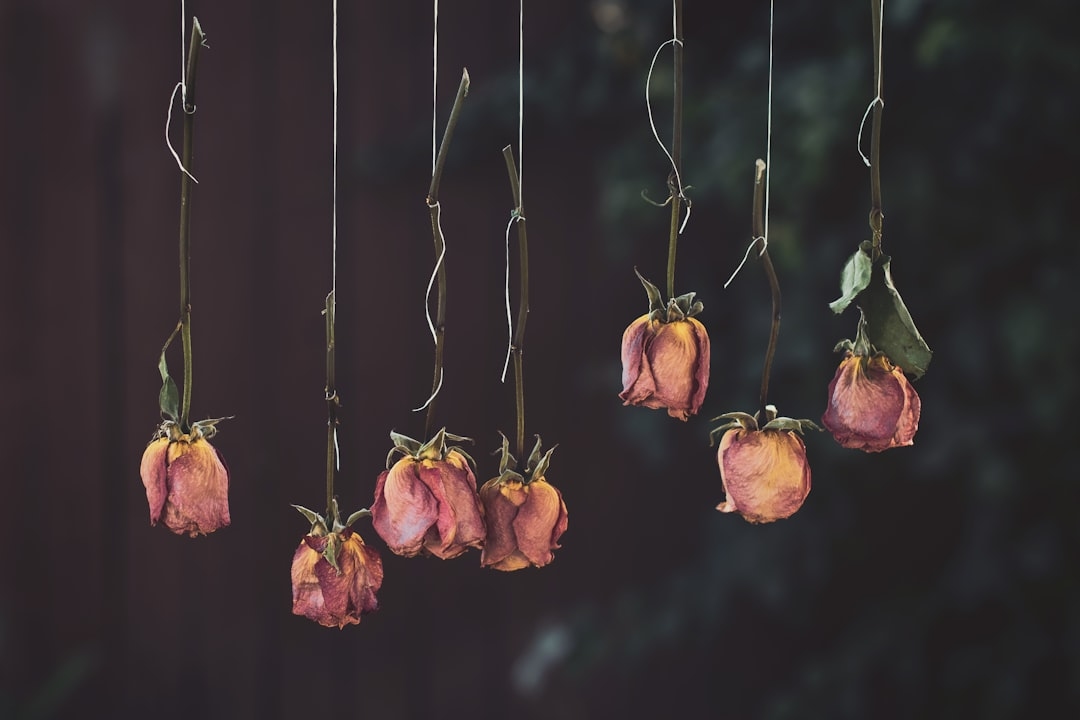
Drying can take 1-4 weeks, depending on flower type and local climate. Check weekly. When stems snap cleanly and petals feel papery, they’re ready.
Troubleshooting & Expert Tips
It happens: sometimes petals drop or mold appears. Here’s how to fix what goes wrong.
Preventing Droop & Petal Loss
- Don’t crowd bundles–airflow beats speed.
- For fussy blooms (like peonies), lightly hairspray petals (try L’Oréal Paris Elnett Satin, $15) to help them hold shape.
Battling Mold
- Dehumidifiers (starting at $35 on Amazon in 2026) tackle damp basements.
- Consider silica gel drying for stubborn, thick-petaled varieties.
Storing Dried Flowers
Keep away from direct sun and humidity. Use acid-free tissue or boxes (available nationwide at Michaels for $10-$20) to prevent dust and fading.
Creative Ways to Use Dried, Hanging Flowers
Preserved blooms aren’t just for vases.
- DIY bouquets and wreaths: Combine with preserved grasses for texture.
- Wall art: Hang small bundles on rustic hooks or window frames.
- Table centerpieces: Arrange in vintage Mason jars for farmhouse appeal.
- Gift toppers: Tie dried blooms onto presents for a personal touch.
- Resin crafts: Encapsulate petals in jewelry or coasters for keepsakes.
US-based flower subscription services like BloomsyBox now offer dried bundles, but you can easily make your own at a fraction of the cost.
Frequently Asked Questions about Hanging Flowers to Dry
How long does it take to hang flowers to dry?
Most flowers take 1-4 weeks to dry when hung upside down in a dark, ventilated area. Thicker stems and larger blossoms–like hydrangeas–may need closer to four weeks, while delicate flowers dry within a week or two.
Can I hang any flower to dry, or do some work better than others?
Not all flowers dry well by hanging. Roses, lavender, statice, and hydrangea are top choices. Flowers with thin, fleshy stems (such as tulips or lilies) are more prone to wilting and may not retain their shape.
What are the best conditions for hanging flowers to dry?
Choose a dark, well-ventilated space with low humidity (below 50%) and moderate temperatures (60-70°F). Sunlight should be avoided to prevent fading, and airflow is key to stopping mold or mildew.
How do I preserve the color of dried flowers?
To retain color, dry flowers in total darkness and low humidity. For extra protection, use a gentle floral sealant or hairspray to “set” petals once fully dried.
Is it possible to dry flowers in the microwave or with silica gel?
Microwave and silica gel methods offer quicker drying, especially for thick or stubborn petals. These techniques can preserve more vivid colors but require extra supplies and care.
Where Could Your Dried Flowers Take You Next?
Hanging flowers to dry isn’t just a crafty weekend project–it’s a gateway to sustainable decor, thoughtful gifts, and homegrown art pieces. Try drying a bouquet from your next birthday or local farmers’ market haul. Experiment with unexpected varieties, and let your dried blooms add warmth and story to every corner of your space. Looking for additional inspiration? Check out workshops at your local botanical garden or follow #driedflowersUSA on Instagram for fresh ideas tailored for American homes. The petals you hang today could brighten your world for years to come.