Contents:
- Quick Answer: What Are Gibberellins and How Do They Affect Flowering? (Featured Snippet)
- What Exactly Are Gibberellins?
- The Science Behind the Name
- Key Characteristics
- How Do Gibberellins Trigger Flowering?
- Setting the Stage: Vegetative to Reproductive
- Table: How Gibberellins Differ by Flower Type
- Why Do Florists and Growers Care About Gibberellins?
- Practical Uses in US Floriculture
- The Molecular Mechanics: How Gibberellins Work Inside a Flower
- Key Steps
- Balancing Act with Other Hormones
- Naturally Occurring vs. Synthetic Gibberellins: What’s the Difference?
- Comparison Table: Natural vs. Synthetic Gibberellins
- Regulatory Notes
- Gibberellins and the Changing US Flower Market
- Data Point
- Seasonal Trends
- Common Myths About Gibberellins in Flowering
- Myth: “All flowers respond the same way to gibberellins.”
- Myth: “More gibberellin = more flowers.”
- Myth: “Gibberellins are only for big greenhouse operations.”
- FAQ: Gibberellins and Flowering
- What are gibberellins most commonly used for in floristry?
- Are gibberellins safe for home gardeners?
- Do organic flowers use gibberellins?
- Can gibberellins force flowers to bloom out of season?
- What happens if flowers get too much gibberellin?
- See Gibberellins in Action: Experiment at Home
The Role of Gibberellins in Flowering: The Unsung Movers Behind Blooms
Wander into any New York flower market or scroll through a florist’s Instagram in San Francisco, and you’ll see an explosion of color–tulips that open with theatrical precision, lilies that seem to time their reveal to a birthday, snapdragons standing tall. Behind every one of these floral spectacles is a cascade of internal processes, and right at the center: gibberellins. This group of plant hormones doesn’t just help flowers grow; it decides when (and how well) they bloom.
Quick Answer: What Are Gibberellins and How Do They Affect Flowering? (Featured Snippet)
Gibberellins are a group of plant hormones that regulate growth and development, crucially influencing the timing and abundance of flowering. In simple terms, these hormones “signal” a plant to shift from its vegetative state (just leaves and stems) to the reproductive stage (flowers). By promoting cell elongation, breaking dormancy, and triggering the genes necessary for flower formation, gibberellins play a central role in the life cycle of both wild and commercially grown flowers in the US.
What Exactly Are Gibberellins?
First isolated from rice plants in the 1930s, gibberellins are now known to exist in more than 100 forms throughout the plant kingdom. In scientific shorthand, they’re often referenced as “GA” – GA3, for example, is the kind you’ll spot on the label of plant-growth regulators from brands like PhytoTech Labs.
The Science Behind the Name
Gibberellins got their name from the fungus Gibberella fujikuroi, which caused rice plants to grow freakishly tall, a result of uncontrolled hormone production. Today, we harness controlled doses of gibberellins to regulate everything from cherry blossom timing in Washington, D.C., to the synchronized blooming of hydrangeas in California wedding events.
Key Characteristics
- Over 100 types identified: GA1, GA3, and GA4 are the most common in floriculture.
- Found in all higher plants: Not just flowers, but also seeds, roots, and fruits.
- Movers and shakers: Known for making stems longer (cell elongation), breaking seed dormancy, and, most notably, triggering flowering.
How Do Gibberellins Trigger Flowering?
Gibberellins act like a green light within a plant’s DNA. They tell a plant, “Now’s the time to flower!” But the real story is more nuanced, depending on both the species and the environment.
Setting the Stage: Vegetative to Reproductive
- Vegetative phase: The plant focuses on making leaves and roots.
- Reproductive phase: The plant shifts gears and starts forming flower buds.
Gibberellins ramp up in concentration as the plant senses cues–longer daylight hours, warmer soil–that it’s safe to flower. In chrysanthemums, for example, research by Dr. Olivia Kim (PhD, Cornell Floriculture) found that applying gibberellins could accelerate flowering by up to three weeks compared to untreated plants.
Table: How Gibberellins Differ by Flower Type
| Flower Type | Gibberellin Effect | Commercial Practice in US |
|---|---|---|
| Tulips | Promotes stem elongation and early flowering | Applied for Valentine’s season |
| Poinsettias | Can delay flowering if applied late | Avoided close to winter holidays |
| Lilies | Essential for uniform blooming | Used to synchronize crops for Easter |
| Daisies | Enhances size, quantity of blooms | Used by large-scale growers in California |
Why Do Florists and Growers Care About Gibberellins?
Timing and appearance are everything in floristry–especially in the US, where Mother’s Day (May), Valentine’s Day (February), and wedding season (summer) demand precise floral performance. Gibberellins are their secret weapon for delivering show-stopping arrangements, on time, every time.
Practical Uses in US Floriculture
- Crop scheduling: By spraying or drenching crops with synthetic gibberellins, growers can synchronize flowering to meet market dates. The cost? GA3 plant-growth regulators retail at $25-$40 per bottle (4 oz) in 2026, from suppliers like Carolina Biological.
- Uniformity: Walk into a Whole Foods in Seattle, and notice how every stem in a bouquet is the same length and bloom stage–thank gibberellins for that symmetry.
- Quality control: Large growers such as Sun Valley Floral Farms (California) tweak gibberellin levels to ensure their lilies don’t open too soon during cross-country shipping with FedEx or FTD.
<blockquote>
“I’d estimate we increase marketable flower yield by 15-20% with smart gibberellin use,” shares Jorge Martinez, head grower at a Miami wholesale nursery.
</blockquote>
The Molecular Mechanics: How Gibberellins Work Inside a Flower
Behind the scenes, gibberellins slip into a plant’s cells and activate specific genes. These genes, in turn, produce proteins that kick-start the formation of flower organs–petals, stamens, and all.
Key Steps
- Perceived by receptor proteins in the plant’s cells.
- Signal transduction: The message travels through a biochemical relay.
- Activation of flowering genes: Genes like LEAFY and SOC1 in model plants (Arabidopsis, snapdragon) get switched on.
- Morphological change: The plant moves from flat-leafed to multi-layered, as buds start forming.
Balancing Act with Other Hormones
Gibberellins aren’t working alone. They team up–or sometimes compete–with other plant hormones:
- Cytokinins: Often work with gibberellins to accelerate bud formation.
- Abscisic acid (ABA): Plays a role in slowing things down; crucial in times of drought.
- Auxins: Promote rooting, but too much can suppress flowering even if gibberellins are present.
Naturally Occurring vs. Synthetic Gibberellins: What’s the Difference?
Most flowers produce their own gibberellins, but commercial florists and growers often supplement with lab-made versions for reliability and precision.
Comparison Table: Natural vs. Synthetic Gibberellins
| Feature | Naturally Produced | Synthetic (Commercial) |
|---|---|---|
| Source | Plant biosynthesis | Laboratory (GA3, GA4) |
| Cost | Free (plant’s own process) | $25-$100 per liter in US market |
| Control | Environmental, genetic | Dosed and timed by grower |
| Environmental Impact | None | Risk if over-applied |
| Use in US Floriculture | All plants | Most major flower crops |
Regulatory Notes
The USDA and EPA monitor the use of plant-growth regulators in the US, and only approved formulations are legal for commercial operations. Home gardeners can buy lower-strength products at retailers like The Home Depot but should follow label instructions carefully.
Gibberellins and the Changing US Flower Market
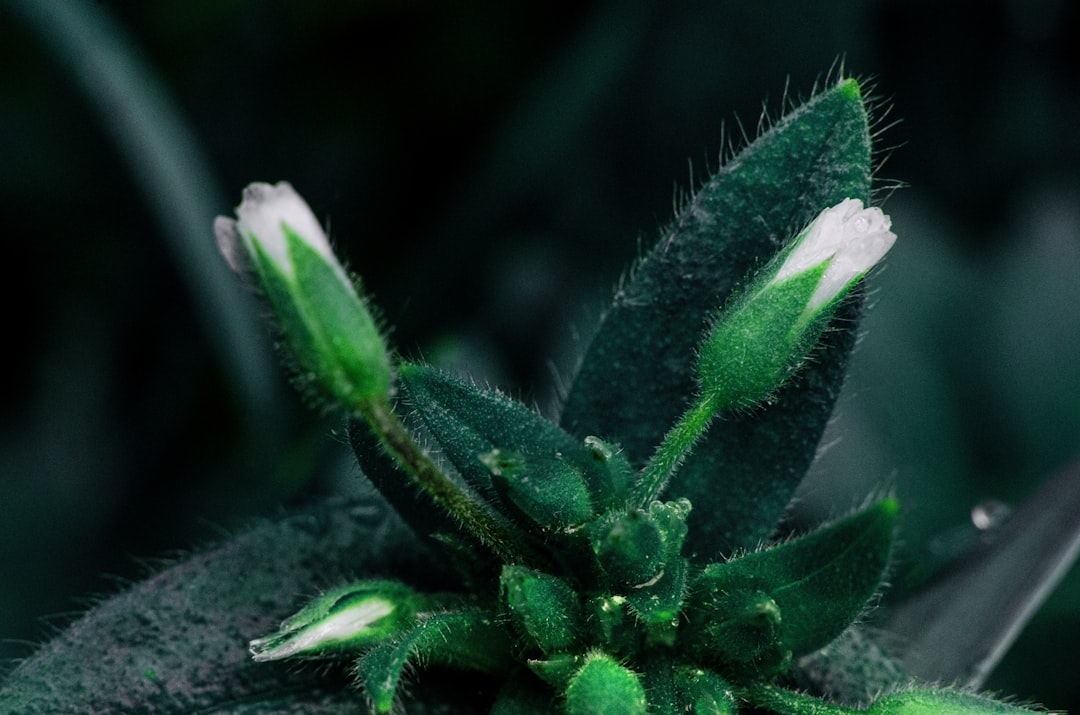
The role of gibberellins isn’t static. Shifts in demand, climate, and technology are rewriting what florists need from their crops.
Data Point
According to the Society of American Florists, US flower sales topped $38.2 billion in 2025, with a 9% increase in “event-driven floristry” (weddings, corporate events). Reliable flowering windows, made possible by gibberellin manipulation, are a backbone of this growth.
Seasonal Trends
- Spring: Major use in tulips, daffodils, and hyacinths–timed for Easter and Mother’s Day.
- Summer: Synchronize sunflowers and zinnias for festival bouquets.
- Holiday Season: Suppress gibberellins in poinsettias to hold blooms for Christmas deliveries.
Common Myths About Gibberellins in Flowering
Despite decades of research, some misconceptions still float around the industry. Clearing them up helps both professional growers and home florists.
Myth: “All flowers respond the same way to gibberellins.”
Not true–orchids, for example, can be harmed or even fail to bloom if treated the same as roses. Always check species-specific guidelines.
Myth: “More gibberellin = more flowers.”
Overdosing on gibberellins can cause plants to stretch excessively, resulting in weak stems or malformed blossoms. Balance (and expert advice) is key.
Myth: “Gibberellins are only for big greenhouse operations.”
While commercial farms use them most extensively, even backyard gardeners can benefit–just in smaller, more carefully measured doses. Tiny vials are sold for as little as $7 online.
FAQ: Gibberellins and Flowering
What are gibberellins most commonly used for in floristry?
Gibberellins are used to synchronize flowering times, control stem height, and improve bloom quality, especially in high-demand periods like Valentine’s Day and Mother’s Day in the US.
Are gibberellins safe for home gardeners?
Yes–when used as directed. Look for EPA-registered products and follow all label instructions. Over-application can cause unwanted plant stretching.
Do organic flowers use gibberellins?
Certified organic US farms cannot use synthetic gibberellins but rely on naturally occurring plant processes. Some organic foliar sprays aim to boost natural hormone levels, but artificial regulators are restricted.
Can gibberellins force flowers to bloom out of season?
To an extent. Growers can manipulate bloom times within a few weeks’ window. Extreme off-season forcing (like tulips in July) usually requires both temperature control and hormone treatment.
What happens if flowers get too much gibberellin?
Excess gibberellin can cause spindly stems, poor flower formation, and reduced vase life–definitely something florists work to avoid.
See Gibberellins in Action: Experiment at Home
Curious to test gibberellins yourself? Pick up a GA3 kit online, and try it on a potted lily or zinnia this season. Document the results–note any shifts in timing or size compared to untreated plants. Or, ask your local florist which of their blooms are “timed” with a little help from plant hormones. These little molecules are quietly shaping the US flower scene, one stem at a time.
To go further, consider signing up for a workshop at a local botanical garden (like the New York Botanical Garden or Chicago Botanic Garden) – hands-on learning is blooming everywhere in 2026.