Contents:
- Quick Answer: Why Are Marigolds Used in Hindu Rituals?
- The Symbolism of Marigolds in Hinduism
- Marigold Meanings: More Than Meets the Eye
- Marigolds in Rituals: From Puja Thalis to Grand Mandaps
- Daily Worship
- Festivals and Celebrations
- Weddings
- The Science: Why Marigolds Work So Well in Rituals
- Flower Longevity and Scent
- Sourcing Marigolds in the US: Challenges and Adaptations
- Where Do American Marigolds Come From?
- Modern Alternatives (and Why Marigolds Still Prevail)
- Marigolds and the Future of Hindu Rituals in the US
- FAQ: Marigolds in Hindu Rituals
- What do marigolds symbolize in Hindu worship?
- Can I use other flowers instead of marigolds for Hindu rituals?
- Are marigolds available year-round in the US?
- Why do marigold garlands cost less than rose or orchid garlands in the US?
- How do you dispose of marigold offerings after a ritual?
Why Marigolds Matter in Hindu Rituals
From bustling temples in Mumbai to small family prayer corners in San Jose, the marigold is everywhere during a Hindu puja. Picture a golden-orange string of flowers draped over a bronze statue, or a bride’s entryway garlanded with fresh, citrus-scented blooms. Marigolds aren’t just decorative–they’re essential, and their story spans continents, ancient scriptures, and modern florists alike.
Quick Answer: Why Are Marigolds Used in Hindu Rituals?
Marigolds hold deep spiritual significance in Hindu rituals for their vibrant color, symbolism of purity, and ability to withstand heat and time. They represent the sun, prosperity, and positive energy. Used across festivals, weddings, and daily puja, marigolds are believed to please the gods and ward off negative influences. Thanks to their affordability and availability–even in US flower shops–marigolds remain a top choice for Hindu ceremonies in 2026.
The Symbolism of Marigolds in Hinduism
Marigolds have been intertwined with Hindu worship for centuries. Their rich saffron and golden hues mirror the robes of holy men and the first rays of the rising sun–a key metaphor in Hindu spirituality.
Marigold Meanings: More Than Meets the Eye
- Purity: Marigolds are easier to keep fresh than roses or lilies, supporting the Hindu emphasis on offering unsullied items to deities.
- Devotion: Their ability to retain color and form even after hours in the sun symbolizes steadfastness in faith.
- Auspiciousness: Hindu mythology links the marigold to Lakshmi, the goddess of wealth and fortune, making it a favorite during Diwali, Navratri, and weddings.
Florist Amrita Sinha, owner of Lotus & Petals in Jersey City, remarks, “About 80% of our temple orders in 2025 featured marigold garlands–they’re non-negotiable for most families.”
“Marigolds bring the kind of warmth and optimism American chrysanthemums just can’t match for Hindu events.”
– Amrita Sinha, Lotus & Petals Florist, New Jersey
Marigolds in Rituals: From Puja Thalis to Grand Mandaps
Daily Worship
Even in the smallest home altar in California, marigolds are common. They’re used to:
- Decorate puja thalis (offering trays)
- Create small garlands or malas for deities
- Scatter as loose petals around sacred objects
A marigold garland from a Bay Area florist costs between $7 and $12 in 2026, according to price lists from PoojaFlowerExpress.com.
Festivals and Celebrations
During Diwali, marigold torans frame doorways, believed to invite Lakshmi’s blessings. Navratri and Ganesh Chaturthi see temples adorned end-to-end with intricate marigold arrangements; in 2026, the annual marigold sales spike by up to 40% in Indian communities across the US, according to a National Florist Association report.
Weddings
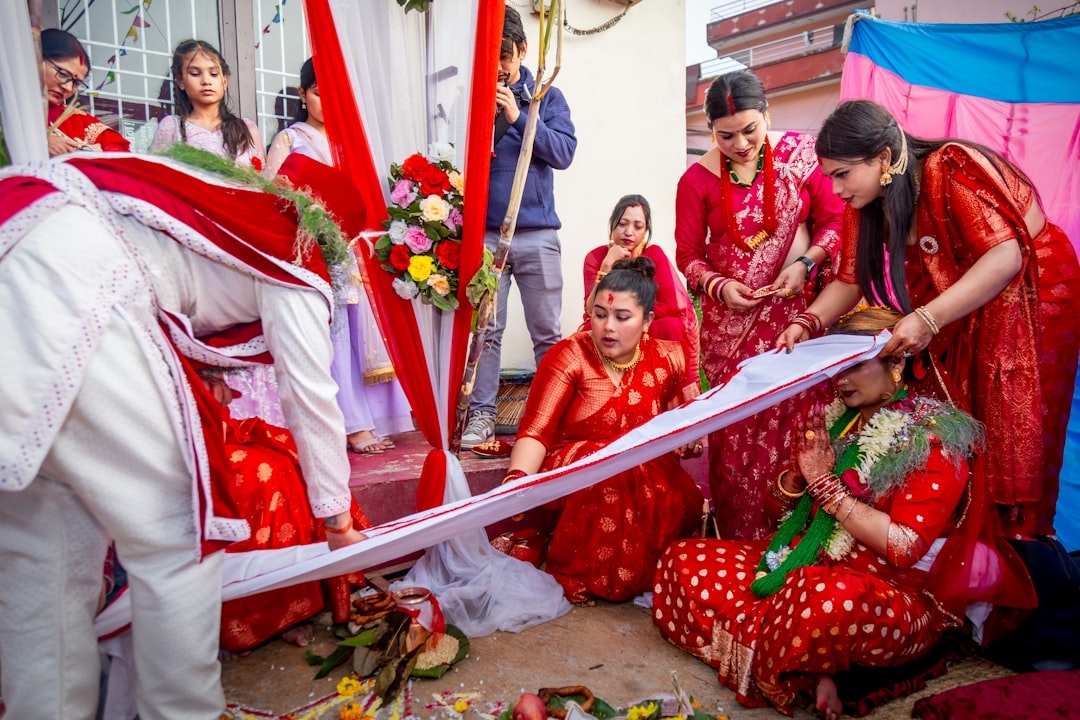
No Hindu wedding feels complete without marigold strings cascading from the mandap or strung into the bride’s hair. Their affordability compared to orchids or peonies (which can run $30+ per garland) makes them the flower of choice for large-scale décor.
| Flower | Average US Garland Price (2026) | Durability | Traditional Value |
|---|---|---|---|
| Marigold | $7 – $12 | High | Very High |
| Rose | $12 – $20 | Medium | Medium |
| Jasmine | $9 – $15 | Low | High |
| Orchid | $30 – $40 | Medium | Low |
The Science: Why Marigolds Work So Well in Rituals
It’s not all symbolism; there’s horticultural evidence behind marigolds’ popularity. Dr. Pavan Patel, a horticulturist at UC Davis, notes, “Tagetes erecta, the African marigold, holds up to 65% longer without wilting compared to standard roses in US summer heat.” Their thick, waxy petals resist dryness, and the pungent scent repels insects–useful for outdoor rituals.
Flower Longevity and Scent
- Marigolds maintain color and shape for up to 48 hours after harvest in 75°F conditions.
- The scent, while not universally loved, acts as a natural pest deterrent–another reason they’re used to ring altars both in India and California.
Sourcing Marigolds in the US: Challenges and Adaptations
Where Do American Marigolds Come From?
Most marigolds for Hindu rituals in the US are grown in California or imported from Mexico. With increasing demand, domestic farms have expanded marigold acreage by 25% between 2022 and 2026. Online delivery services like UrbanStems and local Indian florists offer pre-strung garlands, especially during festival season.
Modern Alternatives (and Why Marigolds Still Prevail)
Despite the rise of artificial flower garlands, especially for allergy-prone or eco-conscious families, surveys by the American Desi Florist Network show over 70% of Hindu households still prefer fresh marigolds for key rituals. The tactile, fragrant presence simply can’t be replicated.
Marigolds and the Future of Hindu Rituals in the US
The marigold’s role is evolving but far from fading. With eco-initiatives like compostable garlands and organic, pesticide-free blooms, the flower is being reimagined for younger, US-born Hindu generations seeking both tradition and sustainability. Even high-tech start-ups like PoojaBox are experimenting with marigold-scented essential oils for modern worship spaces.
Marigolds also serve as a bridge–linking first-generation immigrants to their roots while inviting neighbors to discover the brightness and warmth of Hindu celebrations. Demand only grows: In 2026, US Google searches for “marigold for puja” have doubled since 2020.
FAQ: Marigolds in Hindu Rituals
What do marigolds symbolize in Hindu worship?
Marigolds symbolize purity, devotion, and the divine energy of the sun. Their golden color is associated with prosperity and is said to attract the blessings of deities like Lakshmi and Ganesha.
Can I use other flowers instead of marigolds for Hindu rituals?
While some rituals allow substitutions–roses, jasmine, or lotus–many traditions specifically call for marigolds due to their unique spiritual symbolism and durability.
Are marigolds available year-round in the US?
Yes. Thanks to US and Mexican growers, fresh marigolds are available throughout the year, especially in major cities with significant South Asian populations.
Why do marigold garlands cost less than rose or orchid garlands in the US?
Marigolds grow quickly, yield high quantities per acre, and don’t require refrigeration or special handling, making them more affordable than delicate flowers like orchids.
How do you dispose of marigold offerings after a ritual?
Most Hindu households compost or return used marigolds to nature (like a river or backyard) as a mark of respect. In the US, many temples encourage composting to stay eco-friendly.
Interested in bringing more tradition to your worship space? Try crafting your own marigold garland–many American florists now offer DIY kits, or you can grow Tagetes seeds in your own yard for year-round supply. The marigold’s journey is far from over; in every petal, a little more connection and color awaits.