Contents:
- What Are Stock Flowers? (Quick Facts)
- Stock Flowers Have a Scent That Sells
- Stock Flowers Symbolize Lasting Happiness
- The Name “Stock” Has a Surprising Origin
- Stock Flowers Are a Florist’s Secret for Vase Life
- American-Grown Stock Is Mostly Californian
- Stock Comes in More Colors Than You Think
- They Attract Bees and Beneficial Insects
- Not Just Cut Flowers–Stock Is Edible!
- They’re Surprisingly Easy to Grow in the US
- Growing Tips for American Gardeners
- FAQ About Stock Flowers
- How long do stock flowers last in a vase?
- Are stock flowers safe for pets?
- Can you grow stock flowers in hot climates?
- What’s the difference between stock and snapdragon flowers?
- Where can I buy stock flowers online in the US?
9 Facts You Didn’t Know About Stock Flowers
Picture this: you walk into a flower shop in late spring, a riot of fragrances hits your nose, and your eye is drawn to tall spikes covered in delicate, perfumed blooms. Stock flowers, or Matthiola incana, might seem old-fashioned at first glance, but these garden stalwarts have quietly shaped American floristry for over a century. There’s far more to these blooms than meets the eye.
What Are Stock Flowers? (Quick Facts)
Stock flowers (Matthiola incana) are cool-weather annuals or biennials known for their upright spikes of densely packed, clove-scented blossoms. Available in shades of white, pink, purple, and apricot, they’re popular with florists for their long vase life and bold shape. In the US, most commercial stock is grown in California, with peak availability from early spring through late June. Each stem can last 5-7 days after cutting.
1. Stock Flowers Have a Scent That Sells
Walk into any American florist’s cooler in May, and you’ll likely get a whiff of spicy, sweet stock before you see it. But did you know that their signature clove fragrance directly impacts their commercial demand?
According to Sarah Leonard, lead buyer for Petal & Vine in Seattle, “Customers routinely request ‘the flower that smells like carnation and vanilla’–it’s always stock.” In 2026, a consumer preferences survey by the American Floral Endowment found that 68% of US buyers ranked fragrance as a top-three trait when purchasing mixed bouquets. While roses are America’s favorite, stock is often chosen in spring because of its nostalgic, comforting scent.
Fun fact: Some cultivars (such as ‘Vintage Lavender’ and ‘Iron Mix’) are specifically bred for enhanced fragrance rather than just color or stem length.
2. Stock Flowers Symbolize Lasting Happiness
Flowers speak a language of their own. In Victorian floriography, stock’s meaning was “lasting beauty” and “happy life.” Gifting them was a subtle way to say you wished someone contentment that endures.
This tradition persists in modern traditions–stock often appears in American wedding bouquets, baby showers, and graduation arrangements. In 2026, floral stylist and author Denise Rubio notes, “Stock is my go-to for centerpieces where I want the message to feel joyful, sincere, and quietly optimistic. It bridges the gap between old-school romance and current trends.”
Here’s a quick symbolism comparison:
| Flower | Meaning in Floriography | Most Popular Gift Occasions |
|---|---|---|
| Stock | Lasting happiness, contentment | Weddings, graduations, anniversaries |
| Peony | Prosperity, honor | Mother’s Day, weddings |
| Rose | Love, admiration | Valentine’s Day, birthdays |
3. The Name “Stock” Has a Surprising Origin
Why “stock”? The name has nothing to do with finance. Instead, it’s a reference to the plant’s sturdy, thick stems–the “stock” or main support of the flower spike. Botanists traced records of Matthiola incana to the Mediterranean as far back as the 16th century, and by the mid-1800s, American seed catalogs were offering “stock gillyflower” as a cut flower for home gardens.
Today, the word “stock” is used in US flower shops in contrast to “snapdragons,” though the two are sometimes mistaken for each other by novice buyers.
4. Stock Flowers Are a Florist’s Secret for Vase Life
Nothing ruins an arrangement faster than wilted flowers. Stock is beloved among US florists for its resilience post-harvest. According to Martha Smith, head floral designer at Bloom & Co. in Chicago, “Stock flowers, when conditioned properly, can last seven days in a vase–even longer if kept cool. That’s two days more than the average for most spring annuals.”
Top care tips for making stock flowers last:
- Recut stems at a sharp angle under water.
- Remove leaves below the water line to prevent rot.
- Change water every 2-3 days.
- Display away from direct sunlight and heat.
5. American-Grown Stock Is Mostly Californian
Stock loves cool nights and mild springs, which makes California’s coastal valleys an ideal region. In the US cut flower market, over 80% of commercially grown stock is sourced from California–especially the Salinas and Lompoc areas. With year-round greenhouse operations, brands like Mellano & Company and Ocean View Flowers supply stock to major wholesalers and online services such as UrbanStems and Farmgirl Flowers.
Average wholesale costs in 2026: $1.80 to $3.20 per stem, depending on time of year and color. White and lavender hues fetch the highest prices in spring wedding season.
6. Stock Comes in More Colors Than You Think
When most Americans picture stock, they imagine pale pink or white. But breeders have expanded the color range dramatically in the last decade. As of 2026, you can find:
- Apricot, peach, and soft yellow (popular for summer events)
- Deep burgundy and royal purple (increasingly trendy in 2026’s moody wedding palettes)
- Bicolor and even ruffled “double” forms
According to horticulturist Dr. James Evans of the University of California, “The double-flowered types are sterile and must be propagated by seed selection, which makes new colors especially prized by specialty growers.”
Popular 2026 stock varieties in the US:
- ‘Iron Series’ (classic, robust stems, multiple colors)
- ‘Vintage Mix’ (fragrant, heirloom types)
- ‘Matsumoto’ (compact, jewel-toned)
7. They Attract Bees and Beneficial Insects
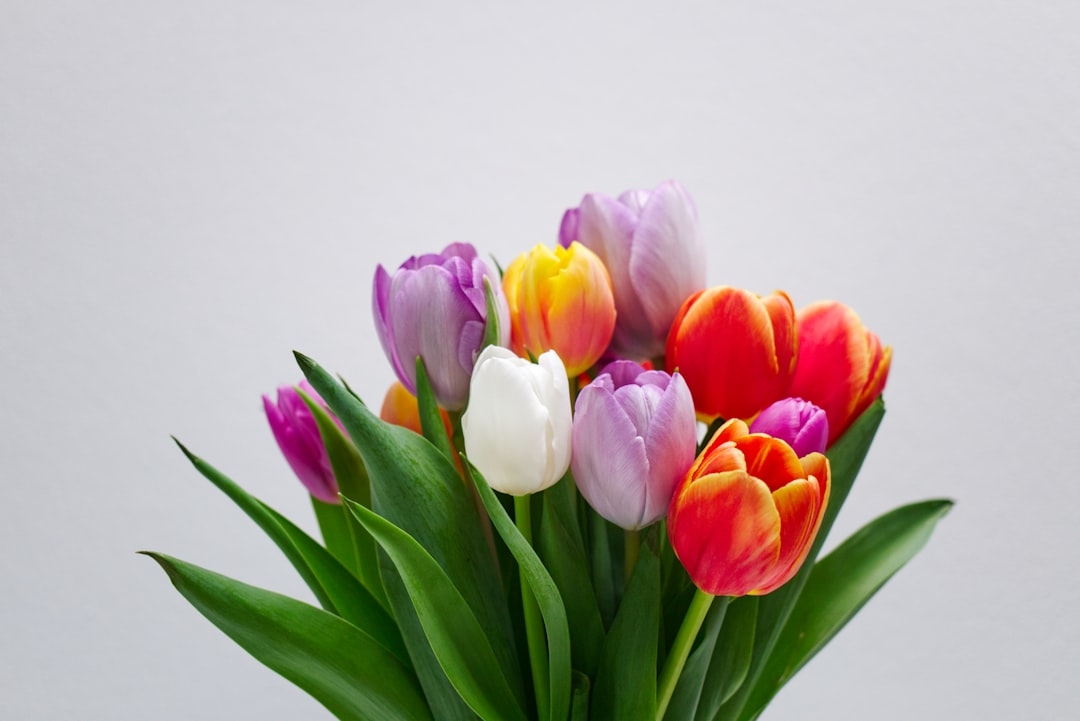
Stock isn’t just a feast for human senses. Single-flowered stock (often grown in American home gardens) is a magnet for pollinators, especially solitary bees and beneficial hoverflies. This makes them an eco-friendly choice for urban gardens or sustainable landscaping.
Data from the UC Davis Bee Lab (2025) found that stock ranked among the top five spring annuals for pollinator visits in test plots–ahead of snapdragons and just behind calendula.
For florists, however, most purchased stock is the double-flowered sterile kind, which prioritizes fullness over nectar. Gardeners looking to support pollinators should ask for single-flowered or “open center” varieties when buying seed.
8. Not Just Cut Flowers–Stock Is Edible!
This may surprise you. While not a staple of American cuisine, both the petals and young leaves of stock are technically edible (though somewhat bitter). Some US chefs and home bakers have revived the tradition of using stock petals to garnish cakes, salads, and cocktails–especially for events where edible blooms are in vogue.
A word of caution: only use organically grown stock, as commercial floristry stock may be treated with preservatives or pesticides.
Pull quote:
“Stock flowers bring an unexpected aroma–not just to bouquets, but to food and drinks as well. Their subtle clove note is a hit in floral syrups and ice cubes for spring brunches.”
– Chef Maria Lopez, NYC, 2026
9. They’re Surprisingly Easy to Grow in the US
Intimidated by the idea of growing your own cut flowers? Stock is a solid beginner’s pick, especially in zones 7-10. Unlike heat-loving annuals, stock prefers cool temps and actually blooms best in early spring or fall in much of the US.
Growing Tips for American Gardeners
- Start seed indoors in late winter (8-10 weeks before last frost).
- Transplant seedlings after danger of hard frost has passed.
- Space plants 6-12 inches apart for good airflow.
- Pinch back the first bud to encourage multiple stems.
- Harvest just as the first few florets open for longest vase life.
Savvy growers use succession planting–starting batches every 2-3 weeks–to keep fresh stems coming all season. Homegrown stock can save US flower lovers $25-50 per season versus buying arrangements each week.
FAQ About Stock Flowers
How long do stock flowers last in a vase?
Stock flowers typically last 5-7 days in a vase if cared for properly. Keep them cool, change water frequently, and trim stems to maximize vase life.
Are stock flowers safe for pets?
Stock flowers (Matthiola incana) are considered non-toxic to cats and dogs according to the ASPCA as of 2026. Still, it’s best to keep all bouquets out of reach to prevent stomach upset.
Can you grow stock flowers in hot climates?
Stock prefers cool to mild temperatures and struggles in hot, humid summers (above 80°F). In the southern US, plant stock for fall or treat it as a short-lived spring annual.
What’s the difference between stock and snapdragon flowers?
While both have upright spikes and come in spring colors, stock flowers have a clove-like fragrance, rounder leaves, and denser flower heads. Snapdragons (Antirrhinum) have a more open, “snapping” flower and a distinctly different scent.
Where can I buy stock flowers online in the US?
Leading American online florists like UrbanStems, Farmgirl Flowers, and Bouqs offer fresh stock bouquets, especially in spring. For bulk orders, try FiftyFlowers or local flower co-ops.
Why not surprise someone with a fragrant bundle of stock in your next bouquet–or try starting a few seeds yourself? These old-fashioned beauties have more layers (and scents) than you might expect. Give them a place in your home, and you’ll experience why stock flowers are anything but ordinary.