Contents:
- Can You Give Flowers to a Friend With Severe Allergies? (Direct, Scannable Answer)
- Understanding Flower Allergies and Why They Happen
- Common Allergy Symptoms to Watch For
- Safe Flower Choices for People With Allergies
- Non-Traditional Flower Gift Ideas
- Succulents and Potted Plants
- Dried and Preserved Arrangements
- Silk or Paper Flowers
- How to Check If a Flower Is Allergy-Safe
- Tips for Sending Flowers to Allergy Sufferers in the US
- Allergic Reactions: When to Skip Flowers Altogether
- FAQ: Flowers and Allergy-Safe Gifting
- What flowers are safe for people with severe allergies?
- Are there hypoallergenic bouquets available for delivery in the US?
- Can dried flowers still trigger allergies?
- What should I do if I’m not sure about the recipient’s allergies?
- Are fake flowers or succulents a good gift for allergy sufferers?
- Beyond Blooms: Thoughtful Gifting for Allergy-Prone Friends
Can You Give Flowers to a Friend With Severe Allergies?
Your best friend’s birthday is around the corner, and you know they adore color and life in their space. But here’s the hitch–this friend can’t be in the same room as a lily without sneezing for an hour. The CDC reports that more than 24 million Americans experience moderate to severe allergies every year. So where does that leave bouquets as gifts? The answer isn’t as bleak–or as obvious–as you might think.
Can You Give Flowers to a Friend With Severe Allergies? (Direct, Scannable Answer)
Yes, you can give flowers to a friend with severe allergies–if you choose the right varieties. Many flowers produce little to no airborne pollen, making them allergy-friendly. Consider options like orchids, hydrangeas, roses (without strong scent), peonies, or even non-floral arrangements such as succulents or preserved flowers. Always check with the recipient first if allergies are severe or potentially dangerous.
Understanding Flower Allergies and Why They Happen
Flower allergies don’t affect everyone equally–or react to the same blooms. Most allergic responses come from airborne pollen, which triggers sneezing, itchy eyes, or even asthma in sensitive folks. Dr. Leslie Monroe, a board-certified allergist in Chicago, explains, “The worst offenders are flowers with lightweight, wind-borne pollen–think daisies, sunflowers, and chrysanthemums.”
On the flip side, many popular cut flowers are bred for large, sticky pollen grains that stay put. Roses and lilies, notorious for their scent, are often less allergenic than wildflowers, despite their reputation.
Common Allergy Symptoms to Watch For
- Sneezing and nasal congestion
- Watery or itchy eyes
- Coughing or respiratory distress (rare, but possible)
- Skin irritation (from touching pollen or stems)
Knowing the symptoms helps you steer clear of gifting something that might ruin their day.
Safe Flower Choices for People With Allergies
Some flowers get the “hypoallergenic” label–a fancy way of saying they’re less likely to cause a sneeze-fest. Here are top picks that most American florists stock year-round (average 2026 prices from UrbanStems and The Bouqs Co. included):
| Flower Type | Allergen Risk | Typical Price per Stem (USD) | Note |
|---|---|---|---|
| Orchids | Low | $8-12 | Waxy, pollen stays inside |
| Hydrangeas | Low | $7-9 | Minimal pollen, big impact |
| Roses (unscented) | Low | $3-6 | Choose unscented for best results |
| Tulips | Low | $2-4 | Minimal pollen, spring favorite |
| Peonies | Low | $5-8 | Short season, lush look |
| Carnations | Low | $1-2.50 | Sturdy, budget-friendly |
| Succulents | None | $6-15 (miniature) | Zero pollen; trendy gift |
| Preserved Flowers | None | $20-50 (per bouquet) | Dried, treated; long-lasting |
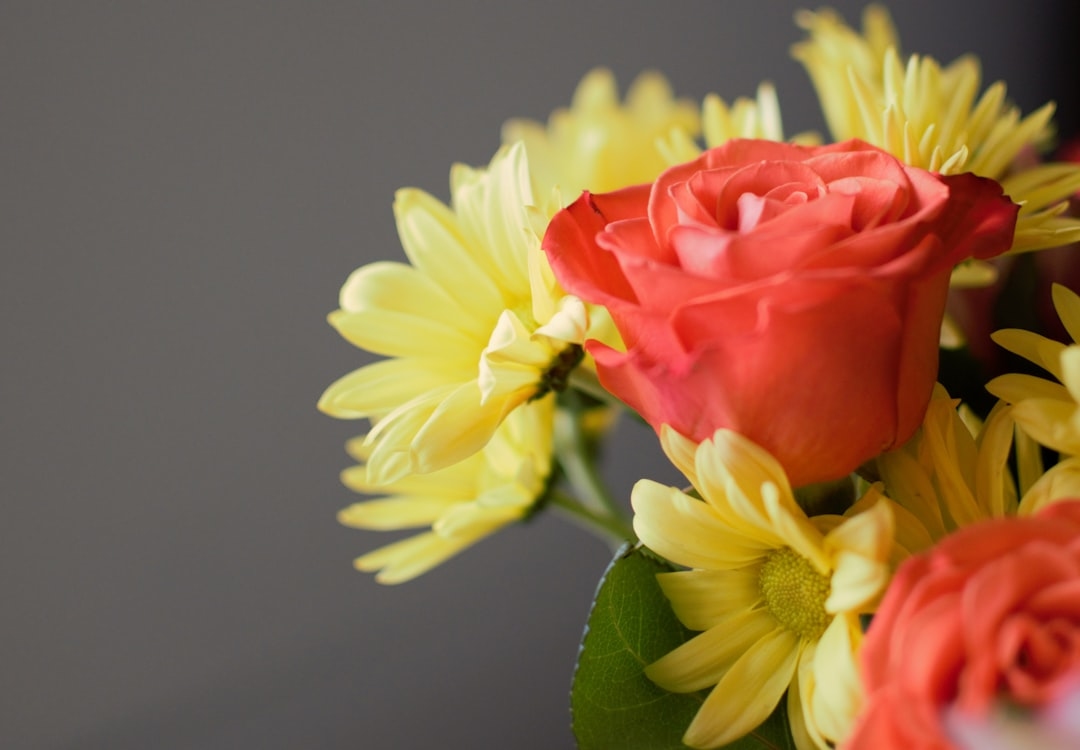
Avoid: Daisies, chrysanthemums, sunflowers, asters, and lilies with exposed pollen.
“The safest floral gifts for allergy sufferers are orchids and hydrangeas–no airborne pollen and they last a long time,” says Laura Peña, senior designer at Brooklyn Blooms (NYC).
Non-Traditional Flower Gift Ideas
Traditional bouquets aren’t the only way to say “thinking of you.” Creative alternatives can be just as meaningful–and allergy-proof.
Succulents and Potted Plants
Succulents and cacti are virtually allergen-free. Brands like Lula’s Garden and The Sill offer gift-ready succulent boxes delivered anywhere in the US, typically under $40. Small potted herbs like basil or rosemary can double as kitchen décor and gifts for foodie friends.
Dried and Preserved Arrangements
Everlasting blooms are trending, especially with companies like East Olivia and UrbanStems’ “Forever” collection. These are real flowers preserved with glycerin or silica gel, with no pollen left to irritate noses. Expect to pay $30-$100 for a showy, low-maintenance arrangement.
Silk or Paper Flowers
For zero risk, consider high-end faux florals. Brands like Afloral and Target’s Hearth & Hand offer realistic stems and arrangements. While not a substitute for the scent of fresh blooms, they’re perfect for allergy-prone households.
How to Check If a Flower Is Allergy-Safe
Not all roses are created equal. Here’s how to make sure your floral gift is safe:
- Ask the Florist: American florists, especially those certified by SAF (Society of American Florists), know which blooms are allergy-friendly.
- Look for Double-Flower Varieties: These have more petals and less pollen–think peony tulips or ruffled carnations.
- Check for Scent: Avoid heavily perfumed varieties.
- Packaging Matters: Some online flower companies now label bouquets as allergy-friendly (look for tags or filter by “low-pollen”).
- Consult the Recipient: If in doubt, a quick message keeps everyone safe.
Tips for Sending Flowers to Allergy Sufferers in the US
- Order from major US flower delivery services like UrbanStems, The Bouqs Co., or 1-800-Flowers, which offer filtering options for non-allergenic bouquets in 2026.
- Add a note with your order: “Please ensure this bouquet is suitable for a severe allergy sufferer.”
- If allergies are life-threatening, skip live plants altogether and opt for a meaningful substitute, such as an artisanal candle, gourmet basket, or a donation in their name.
Allergic Reactions: When to Skip Flowers Altogether
Some allergies go beyond sneezing–a bouquet could cause serious distress. According to the Asthma and Allergy Foundation of America, about 2 million US adults have floral allergies severe enough to trigger asthma attacks. For these loved ones, consider non-floral gifts instead.
“I have a client who can’t even have flowers in the next room–so we create artful silk arrangements that brighten her space with zero risk,” shares Marcus O’Neil, owner of Petal & Vine (Los Angeles).
FAQ: Flowers and Allergy-Safe Gifting
What flowers are safe for people with severe allergies?
Flowers like orchids, hydrangeas, unscented roses, tulips, peonies, and succulents generally produce little to no airborne pollen and are considered safe for most people with severe allergies.
Are there hypoallergenic bouquets available for delivery in the US?
Yes. As of 2026, many US flower delivery services–including The Bouqs Co. and UrbanStems–offer hypoallergenic or allergy-friendly bouquets. These typically feature low-pollen flowers and are labeled accordingly.
Can dried flowers still trigger allergies?
Most commercial dried or preserved flowers have minimal or no pollen, especially if treated or preserved professionally. However, wild or homemade dried flowers may still release dust or residual pollen.
What should I do if I’m not sure about the recipient’s allergies?
Ask the recipient directly or send a message discreetly. When allergies are severe, always confirm before sending any live or dried plant.
Are fake flowers or succulents a good gift for allergy sufferers?
Absolutely. High-quality silk flowers or succulents are completely non-allergenic and can be just as beautiful as fresh arrangements.
Beyond Blooms: Thoughtful Gifting for Allergy-Prone Friends
You don’t have to abandon the idea of a cheerful bouquet just because allergies complicate things. With a little research and imagination, your gift can bring joy, not sniffles. Next time a special occasion pops up, challenge yourself: Find an allergy-safe flower–or a creative alternative–that feels just right. Your friend’s comfort (and gratitude) will be worth the extra effort.